


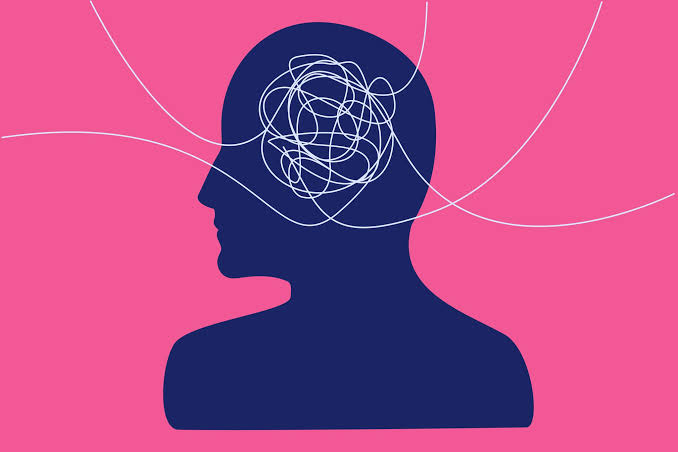
In many parts of Nigeria today, conversations about mental health are either avoided, spiritualized, or dismissed entirely.
While countries like the United States and the United Kingdom have normalized therapy sessions, mental health awareness campaigns, and open discussions about depression and anxiety, in Nigeria, the topic is often treated as foreign — something “for white people” or a Western luxury but mental health is not a Western concept. It is a human reality.
In Nigeria, strength is often equated with silence. From childhood, many are told to “be strong,” “pray about it,” or “stop overthinking.” Emotional struggles are brushed aside as weakness. Depression is described as laziness. Trauma is ignored as long as daily responsibilities are being fulfilled.
For a country facing economic hardship, unemployment, insecurity, and social pressure, the emotional toll on citizens is enormous. Yet, mental health remains low on the list of national priorities.
The “It’s Not Our Problem” Mentality
There is a persistent belief that mental health issues are predominantly Western problems — the result of individualism, soft living, or cultural differences. Some argue that Nigerians are naturally resilient, pointing to past generations who survived war, poverty, and instability without therapy.
However, survival is not the same as wellness.
The reality is that many older generations simply suffered in silence. They coped through religion, community structures, or suppression. Today’s generation, exposed to global conversations through social media, is beginning to recognize symptoms that were once unnamed — panic attacks, burnout, suicidal thoughts, post-traumatic stress.
One of the biggest barriers is stigma. People struggling with mental health conditions are sometimes labeled as “mad,” “possessed,” or “spiritually attacked.” Families may hide affected members to avoid shame. Instead of seeking professional help, many turn exclusively to religious houses or traditional healers.
Also see: NITDA Urges Stronger Digital Alignment Drive
Faith can provide comfort and strength. But faith and therapy are not enemies. Professional help does not cancel belief; it complements it.
Unfortunately, the fear of being judged prevents many from speaking up. A young professional battling anxiety may hide it to avoid being seen as incompetent. A mother experiencing postpartum depression may keep quiet to avoid being called ungrateful. A student contemplating suicide may smile publicly while suffering privately.
Even when awareness exists, access is limited. Mental health professionals are few compared to Nigeria’s population. Therapy is often seen as expensive and inaccessible. Public hospitals are overwhelmed, and mental health services are underfunded.
The healthcare system focuses heavily on physical illness, while emotional and psychological health receives minimal attention. Yet both are deeply connected.
Mental health is not a white man’s issue. It is not a Western luxury. It is not a sign of weakness. It is the state of the human mind — and Nigerians have minds too.
Until mental health is treated with the same seriousness as malaria, diabetes, or hypertension, many will continue to suffer behind closed doors.
The question is no longer whether mental health is real in Nigeria. The question is whether we are ready to stop pretending it isn’t.
