


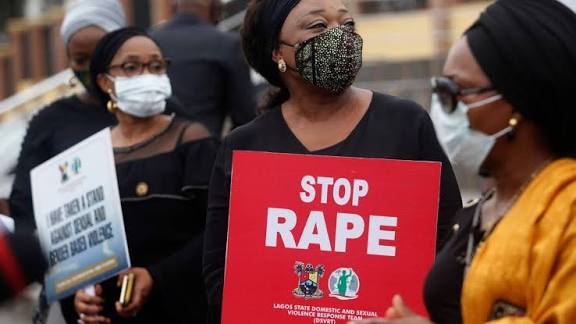
Recent weeks have seen a surge of reports about rape incidents across Nigeria. Social media is flooded with stories, videos, and posts, some of them heart-wrenching, some suspicious. While every allegation must be taken seriously, there is an uncomfortable reality: not every report may reflect the full truth.
Some accounts, experts warn, may be exaggerated or even false, used to gain attention, followers, or “traction” on social media. In other cases, real victims remain silent, their voices drowned in a sea of trending posts. These are often young women who, for personal, social, or cultural reasons, prefer to stay anonymous rather than broadcast their trauma online.
The challenge lies in acknowledging both realities. On one hand, there is a danger in publicizing unverified claims, which could harm innocent men and escalate mistrust. On the other hand, silencing real victims can leave perpetrators unpunished and society exposed to continued violence.
This delicate balance calls for discernment, empathy, and responsible reporting. Every claim should be investigated thoroughly, with the victim’s privacy and safety prioritized, and legal processes followed diligently.
Also see: Crescent Moon Sighted as Ramadan Fasting Begins
While the responsibility to prevent sexual violence should never fall on victims, practical safety measures can reduce risk:
Awareness: Stay alert in unfamiliar environments and online interactions.
Support Networks: Share travel plans with trusted friends or family.
Self-Defense: Simple self-defense techniques or safety apps can provide added security.
Boundaries: Learning to assert personal boundaries confidently can deter potential abusers.
How Men Can Be Part of the Solution
Men play a crucial role in stopping sexual violence. Positive male influence starts with personal accountability:
Mentorship: Encourage other men to respect women and understand consent.
Intervention: Speak up when hearing sexist, predatory, or abusive talk.
Role Modeling: Demonstrate healthy relationships, respect, and empathy toward women.
Education: Promote awareness about the trauma and legal consequences of sexual assault.
Preventing rape is not only about individual actions—it is about fostering a culture of respect and accountability. Both men and women can encourage dialogue on consent, boundaries, and ethics. Schools, workplaces, and community spaces should include education on sexual violence prevention.
For survivors, whether they speak out or remain silent, society must create spaces that support healing and justice without judgment. Simultaneously, people should resist the rush to judgment online, remembering that social media is not always the full story.
Nigerian society must strike a balance: protecting innocent men, supporting true victims, and holding perpetrators accountable. Social media attention should never replace legal processes, empathy, and careful investigation.
