

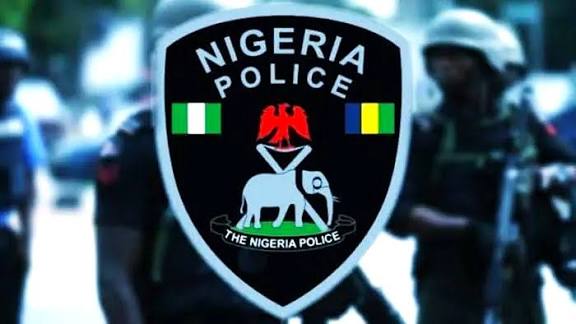
The uniform of a police officer for many young men in Rivers State today, has become a symbol of fear, suspicion and uncertainty. A growing number of youths are speaking quietly about a troubling pattern—one that has turned routine police stops into moments of psychological torture and financial exploitation.
Across Port Harcourt and other parts of the state, several young men claim they have fallen victim to a disturbing form of extortion. The stories are often similar. A young man driving his personal car is stopped by policemen. The officers search the vehicle. Suddenly, they “discover” hard drugs inside the car. Shocked and confused, the victim is accused of being a criminal. Then comes the real intention: a demand for money.
These bribes range from ₦200,000 and above. The alternative? Arrest, detention, public humiliation and a criminal record that could destroy a future.
Police corruption and extortion are not new concerns in Nigeria. For years, civil society groups and researchers have highlighted how bribery and abuse of authority have weakened public trust in law enforcement. Studies on drug policing in Nigeria show that bribery and extortion can distort the purpose of law enforcement, shifting it from crime control to personal enrichment.
The now‑disbanded Special Anti-Robbery Squad was once widely criticised for similar abuses, including harassment, extortion and framing innocent citizens. The nationwide protests that followed proved that Nigerians are no longer willing to remain silent when their rights are violated.
Yet, despite reforms and public promises, many young Nigerians say the culture of fear and exploitation continues at the grassroots level.
Young men, especially those driving cars, are often stereotyped as criminals or fraudsters. In cities like Port Harcourt, where youth unemployment and insecurity remain high, suspicion easily falls on anyone who appears financially stable.
This dangerous profiling creates an environment where some officers feel justified in intimidating innocent citizens. For victims, the situation is worse because they often do not know their legal rights. Many fear that once taken to a station, they may face torture, fabricated charges or delayed justice. So they choose to pay and move on but every bribe paid strengthens the system.
The Psychological and Social Impact
Beyond the financial loss, these encounters leave deep emotional scars. Young Nigerians begin to fear their own country. They avoid travelling at night. They become anxious whenever they see a checkpoint. Some even lose confidence in legitimate law enforcement.
This distrust creates a dangerous gap between citizens and security agencies. When people stop trusting the police, crime becomes harder to report. Communities become less safe. The rule of law weakens.
How This Can Be Stopped
First, the Nigerian government must take these allegations seriously. The Police Service Commission and the leadership of the Nigeria Police Force must launch independent investigations into reports of extortion and drug planting. Surprise monitoring teams should be deployed across Rivers State.
Second, body cameras and dashboard cameras should become mandatory for patrol officers. Technology can reduce false accusations and protect both citizens and honest officers.
Third, anonymous reporting channels must be strengthened. Victims should be able to report misconduct without fear of retaliation. Civil society groups such as Network Against Corruption and Trafficking can partner with communities to educate citizens on their rights.
Also see: ‘Napoli Treated Me Like An Ekuke’ – Osimhen
Fourth, collaboration with agencies like the National Drug Law Enforcement Agency should be improved. Drug enforcement should be professional, transparent and evidence‑based.
Finally, the Nigerian government must address the deeper causes of corruption—poor welfare, lack of accountability and weak punishment for misconduct. Officers who abuse their power must face real consequences.
The Role of Citizens
Citizens also have a role to play. Young people must know their rights. Communities should document and report abuses. Lawyers and journalists must continue to expose wrongdoing. Investigative reporters like Fisayo Soyombo have shown how undercover reporting can reveal hidden corruption.
Nigeria cannot build a safe future while young people are treated as prey. The police and the people must see each other as partners, not enemies. Trust must be rebuilt. Justice must be visible. And the badge must once again represent protection, not fear.
