


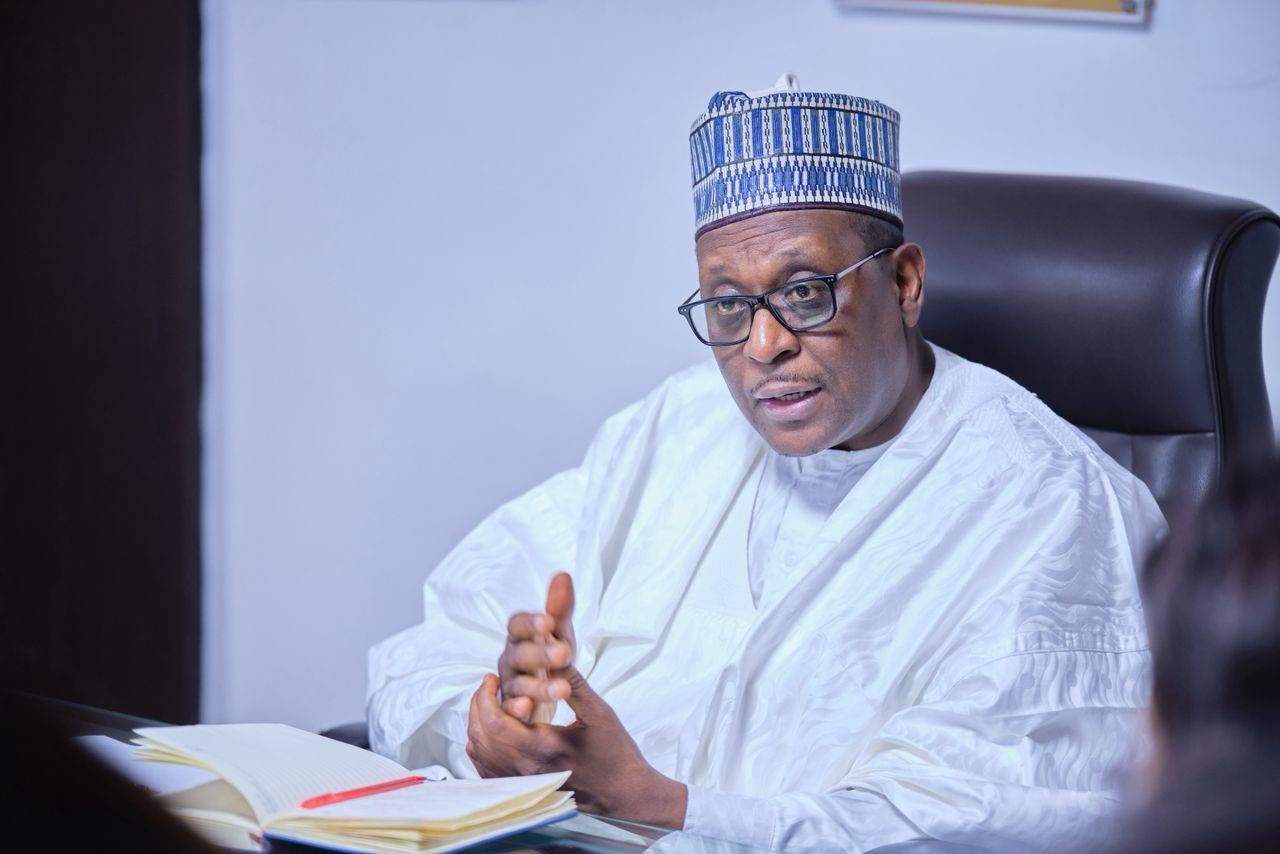
The Federal Ministry of Health and Social Welfare could not carry out its 2025 capital projects after receiving just N36 million from the N218 billion approved for the sector.
The Minister of Health, Professor Ali Pate, revealed this on Monday while defending the ministry’s 2026 budget before the House of Representatives Committee on Healthcare Services.
He explained that although Parliament approved N218 billion for capital projects in 2025, only a tiny fraction was released, making project execution impossible. According to him, the poor performance was caused by cash flow challenges and delays in the Federal Government’s budget implementation process.
Professor Pate said the ministry’s personnel budget for 2025 was fully released and used, but capital spending suffered due to funding bottlenecks linked to the bottom-up cash planning system managed by the Office of the Accountant-General of the Federation.
He also noted that delays in paying Nigeria’s counterpart funding for donor-supported health programmes stopped the ministry from accessing some external funds, further worsening the situation.
Also Read: http://Ogoni Entrepreneurs to Benefit from New ₦200M Fund
The minister said these challenges stalled planned projects, even though the ministry was ready to begin implementation.
In recent years, the health ministry has struggled to execute capital projects because of late or inadequate fund releases. This has affected hospital construction, equipment purchases, disease control efforts, and improvements to primary healthcare across the country.
Budget records and oversight reports show that while large sums are approved annually for health capital projects, actual releases are often low, especially during times of financial pressure, high debt servicing, and weak revenue. This has led to abandoned or delayed projects and poor use of donor funds that require government counterpart contributions.
At the hearing, Professor Pate said the health sector operates within national development frameworks, including the Medium-Term National Development Plan and the National Strategic Health Development Plan.
He added that the National Health Policy is built around Universal Health Coverage, with a focus on strengthening primary healthcare to ensure affordable and accessible services for all Nigerians.
The minister said the 2026 budget proposal was prepared in line with the 2026–2028 Medium-Term Expenditure Framework and reflects the policy priorities of President Bola Tinubu’s administration.
Meanwhile, the Chairman of the House Committee on Healthcare Services, Dr Amos Magaji, asked the ministry to submit detailed records of donor funds received, how they were spent, and the results achieved, as part of legislative oversight on health sector funding.
