


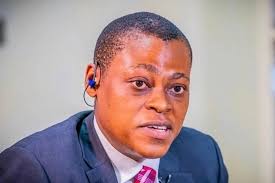
Good question because the criticism people make about Rufai Oseni is not really about facts, it’s about style. Many viewers expect the old Nigerian broadcast culture: calm, deferential to authority, never confrontational.
Oseni instead practices a combative accountability style — interruption, cross-examination, forcing direct answers, exposing contradictions live on air. That style actually has a long tradition in Western journalism.
Here are the closest comparisons:
(1) Jeremy Paxman (BBC – Newsnight)
Closest match to Rufai Oseni
Paxman became famous in Britain for repeatedly asking a politician the same question 12 times until he answered.
He believed interviews are not conversations — they are public interrogations on behalf of citizens.
Similarities with Oseni
- Interrupts evasive politicians
- Forces yes/no answers
- Doesn’t allow “long story” speeches
- Accused of arrogance and disrespect
- Praised for holding power accountable
- Many British politicians dreaded appearing on his show — just like some Nigerian politicians avoid Arise Morning Show.
In fact, the exact criticism people level at Oseni today is the same criticism Paxman faced in the 1990s:
“He is rude, aggressive, and not polite to leaders.”
Today Paxman is considered one of the greatest British interviewers ever.
(2) Andrew Neil (BBC / Channel 4)
A tougher, colder version of the same tradition.
Neil’s interviews destroyed several political campaigns in the UK because he came armed with documents, dates and contradictions — and he never let guests escape.
Also see: FG Commends HYPREP Over Advancement On Ogoni Cleanup Initiative
Like Oseni:
- Data-driven confrontation
- Pins guests to previous statements
- Seen as prosecutorial rather than friendly
(3) Mike Wallace (CBS – 60 Minutes)
The American ancestor of this style.
Wallace pioneered the idea that journalists should behave like courtroom cross-examiners.
He once told viewers: “My job is not to make you comfortable. My job is to find the truth.”
Many US business leaders and politicians initially called him unethical and hostile — until investigative journalism became respected.
Why Oseni attracts backlash in Nigeria
- Nigeria historically practices access
journalism: - Don’t embarrass powerful guests
- Maintain relationships
- Avoid public confrontation
Oseni practices accountability journalism:
Public interest > guest comfort
Truth > politeness
Interview > courtesy visit
So the clash is cultural, not necessarily ethical.
Best direct comparison:
- Jeremy Paxman (UK)
If Paxman were hosting a Nigerian morning show, the public reaction would likely be almost identical.
