


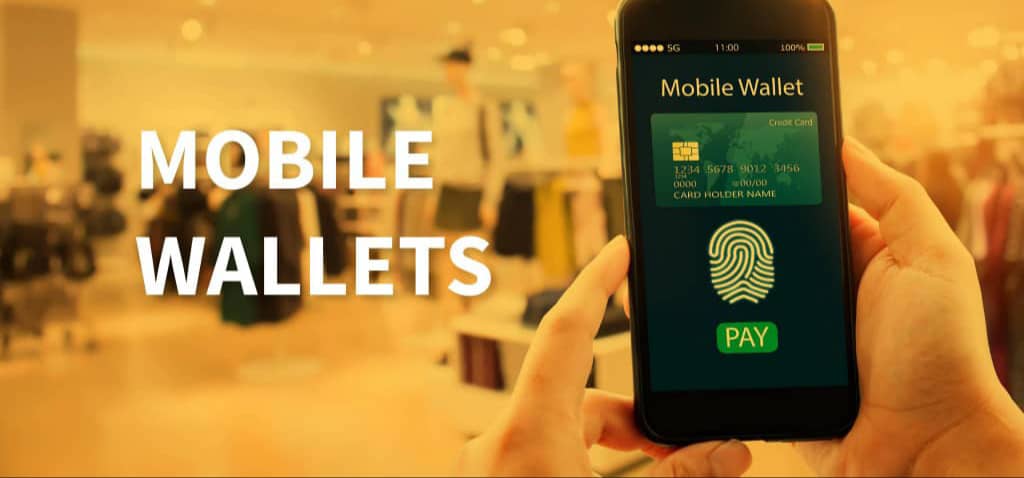
In Nigeria’s bustling markets and quiet neighborhoods alike, a quiet revolution has taken root. The once-unshakable trust in towering bank buildings and long teller queues is fading, replaced by the simple tap of a phone screen. Mobile money wallets, once viewed with suspicion, especially by older generations, have swiftly become the preferred way millions handle their daily finances.
The shift is easy to understand. Traditional banking, even through USSD codes or mobile apps, often comes burdened with fees, delays, and frustrations. Failed transfers that mysteriously debit one account without crediting another, endless queues to resolve errors, and a steady drip of charges for services that should be routine; these are experiences many Nigerians know too well.
Point-of-sale agent Ibanichuka George has seen the change up close. She now relies on a mobile wallet not just for transactions but for saving. “Some of these platforms let you lock away money for a fixed period and reward you with up to fifteen percent annual returns,” she explains. “On top of that, they sometimes drop cash bonuses just for using the service, something my regular bank has never done. No more surprise deductions, no more wasted hours standing in line.”
Also Read: http://Ogoni Seafood Carries Toxic Risk of Cancer – Pulitzer
Across the city, a phone accessories trader at the Garrison phone market, Uchechi Dibia, noticed the same trend among fellow business owners. In shop after shop he visited recently, traders were sending and receiving payments through mobile numbers rather than conventional account details. When he asked one seller why he had abandoned his bank account, the answer was blunt: fewer headaches, no fake alerts, no sudden reversals, and most importantly, lower costs in an economy where every naira counts.
These digital wallets, powered by fintech companies and telecom operators, offer more than convenience. Users can save, transfer, pay bills, receive funds, and in many cases borrow small loans, all without stepping inside a branch. Popular names such as Paga, OPay, Barter by GTBank, Chipper Cash, and PalmPay have become household terms, each competing to make the experience smoother, cheaper, and more rewarding.
What began as a novelty has grown into a necessity for many. The convenience of carrying an entire bank in a pocket, combined with real incentives and the absence of old frustrations, has quietly tipped the scales. Nigeria’s financial landscape is changing not through force, but through choice, one seamless, low-cost transaction at a time.
