

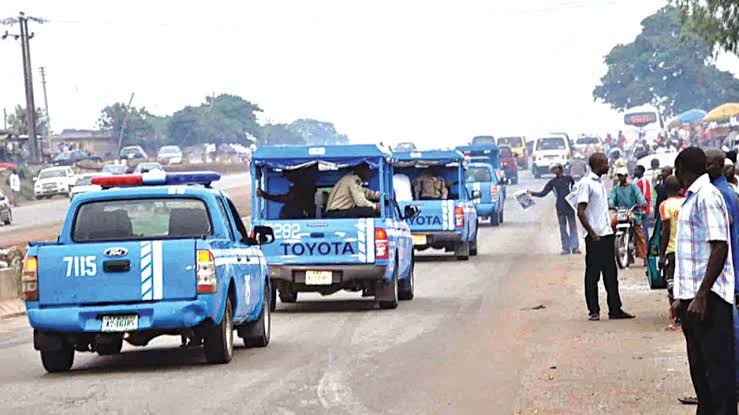
Port Harcourt, one of Nigeria’s busiest urban hubs, is facing a serious public safety challenge: frequent road accidents that claim lives, injure commuters, and leave lasting trauma on families and communities. Despite efforts by authorities, incidents continue to occur daily along major routes, reminding residents that road safety remains a pressing issue in the city.
From early morning rush hours to late-night movements, accidents have almost become a regular sight on Port Harcourt roads. Residents often wake up to news of crashes involving private vehicles, commercial buses, tricycles, tankers, and motorcycles, many of which result in fatalities or life-altering injuries.
Danger Zones: Where Accidents Happen Most
Several routes in and around Port Harcourt have gained a reputation for frequent and sometimes deadly accidents.
The Rukpokwu–Air Force Road is one of the most affected stretches. The road carries heavy traffic daily, linking residential areas to commercial hubs and the airport axis. Speeding, reckless overtaking, poor road markings, and limited pedestrian crossings have made this route particularly dangerous.
Obiri-Ikwerre, located along the East–West Road, is another major accident hotspot. The area has witnessed multiple serious crashes involving heavy-duty trucks and tankers. The combination of high-speed vehicles, poor traffic control, and congestion at junctions often leads to fatal outcomes.
Oil Mill Junction is also notorious for accidents. As a major connecting point for different parts of the city, the junction experiences constant traffic pressure. Brake failures, poor vehicle maintenance, and chaotic traffic movement have led to repeated collisions involving buses, tricycles, and trucks.
Beyond these areas, other accident-prone locations in Port Harcourt include Rumuokoro Junction, Eliozu Roundabout, Rumuola, Choba Axis, Mile 3, Bori Camp, and parts of the East–West Road. These areas are marked by heavy traffic flow, poor traffic discipline, and limited enforcement of road safety regulations.
Why Accidents Keep Happening
Several factors contribute to the high rate of road accidents in Port Harcourt.
Speeding and reckless driving remain major causes. Many drivers exceed speed limits, overtake dangerously, or drive against traffic, especially during low-traffic hours.
Poor vehicle maintenance is another critical issue. Faulty brakes, worn-out tyres, and unroadworthy vehicles continue to operate freely on city roads, increasing the risk of crashes.
Inadequate road infrastructure also plays a role. Faded road markings, poor lighting at night, lack of traffic signs, and damaged road surfaces contribute to confusion and accidents.
Driver behavior is equally concerning. Distracted driving, use of mobile phones behind the wheel, ignoring seat belt rules, and lack of patience on congested roads worsen the situation.
In addition, rapid urban growth has increased traffic volume beyond what existing roads were designed to handle, leading to congestion and frequent collisions.
What Can Be Done to Reduce Accident Rates
Reducing road accidents in Port Harcourt requires urgent and coordinated action.
Road infrastructure must be improved. Clear road markings, proper signage, street lighting, pedestrian bridges, and regular road maintenance will help reduce accidents, especially in known black spots.
Also see: How Chimamanda Ngozi Adichie Lost Her Child To Unprofessional Health care Sector
Traffic laws need stricter enforcement. Speed limits must be enforced, reckless drivers penalized, and unroadworthy vehicles removed from the roads. The use of traffic cameras and increased patrols can serve as deterrents.
Public awareness campaigns should be intensified. Drivers and road users need continuous education on road safety, the dangers of speeding, drunk driving, and distracted driving.
Emergency response systems must be strengthened. Faster response times from the Federal Road Safety Corps and emergency medical services can save lives when accidents occur.
Better urban planning is also essential. Separating heavy-duty vehicles from city traffic, improving junction designs, and managing traffic flow more effectively will reduce pressure on major roads.
Road safety in Port Harcourt is a collective responsibility. While government agencies must fix infrastructure and enforce laws, road users must also change their attitudes. Simple actions such as obeying traffic rules, maintaining vehicles, and showing patience can make a huge difference.
