


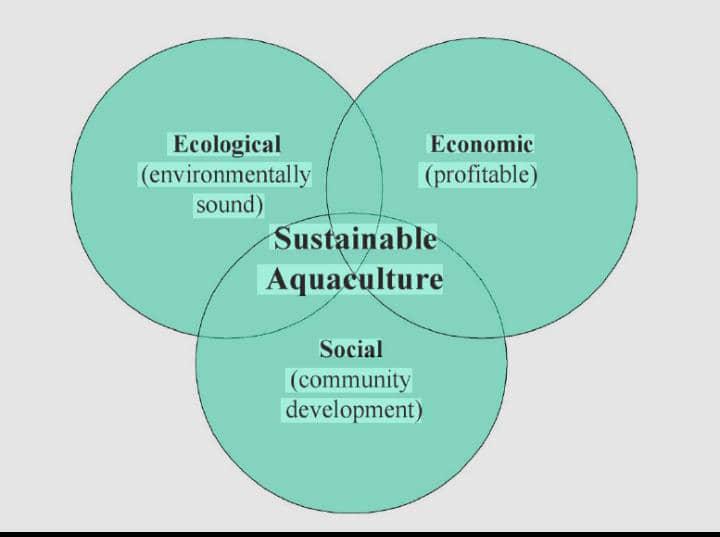
Researchers at Rivers State University (RSU) are making significant strides in developing sustainable aquaculture practices tailored for the unique ecological conditions of the Niger Delta region. A team led by Professor Ngozi Eze from the Department of Fisheries and Aquatic Environment has successfully piloted an integrated fish farming system that promises to boost local food security, create economic opportunities, and minimize environmental impact. This innovative approach addresses common challenges faced by small-scale fish farmers in the state, offering a viable path towards a more resilient and eco-friendly aquaculture industry.
Traditional fish farming in the Niger Delta often contends with issues such as water pollution from feed waste, susceptibility to disease outbreaks, and over-reliance on increasingly scarce wild-caught fingerlings. Professor Eze’s research focuses on a multi-trophic aquaculture (IMTA) system, where waste from farmed fish (like catfish and tilapia) is utilized as a nutrient source for other cultivated organisms, such as aquatic plants (e.g., water hyacinth for feed) and even certain types of shellfish. This closed-loop system significantly reduces water exchange, lowers operational costs, and minimizes the discharge of nutrient-rich wastewater into the delicate riverine ecosystems of Rivers State.
One of the key innovations lies in the development of a localized, protein-rich feed alternative using indigenous plant materials and agricultural by-products readily available in Rivers State. This reduces dependency on expensive imported fish meal, which is often a major cost burden for local farmers. The team has identified and optimized formulations using ingredients like cassava leaf meal, palm kernel cake, and various algae species, demonstrating comparable growth rates in farmed fish to those achieved with conventional feeds. This not only makes fish farming more affordable but also supports local agriculture by creating demand for these by-products.
The pilot project, established in collaboration with local fishing cooperatives in Opobo-Nkoro and Degema Local Government Areas, has shown promising results. Farmers involved in the project reported a 20-25% reduction in feed costs and a noticeable improvement in water quality within their ponds. Furthermore, the integrated cultivation of aquatic plants provides an additional revenue stream or a sustainable source of supplementary feed, enhancing the overall economic viability of the farms. The system also incorporates simple, low-cost bio-filtration units, further improving water quality and reducing the incidence of disease.
The long-term implications of this research for Rivers State are profound. Enhanced food security is a primary benefit, as increased fish production can help meet the growing demand for protein in the region. Economically, the sustainable practices can lead to higher profits for local farmers, potentially lifting communities out of poverty. It also fosters environmental stewardship by promoting practices that protect the fragile Niger Delta ecosystem, which is crucial for the livelihoods of countless residents. The RSU team is now working on developing scalable models and training programs to disseminate these techniques more widely across the state.
Read more: Can Abnormal Uterine Bleeding Affect Fertility?
However, scaling up this initiative presents its own set of challenges. Securing adequate funding for broader implementation, providing extensive training to a large number of diverse farming communities, and ensuring consistent access to improved fingerlings are all critical hurdles. Logistical issues in transporting materials and expertise to remote riverine communities also need careful consideration. Moreover, changing long-established farming practices requires significant community engagement and continuous support to overcome initial resistance and ensure successful adoption.
Discussions among local communities and environmental advocates reflect a strong interest in the project’s potential. Chief Amaechi, a community elder from Opobo, shared during a radio call-in show, “This new method from RSU has changed how we farm fish. Less sickness for the fish, and we save money on feed. It’s good for our future.” An environmental activist, Ms. Ebiye Frank, posted on a local forum, “Professor Eze’s work is vital for our delta. We need more research that helps our people thrive without destroying our precious wetlands.” However, some smaller farmers expressed concerns about the initial investment required. “The costs to start the new system are high,” noted Mr. John Okoro, a fish farmer. “We need more support to adopt these modern ways.”
