


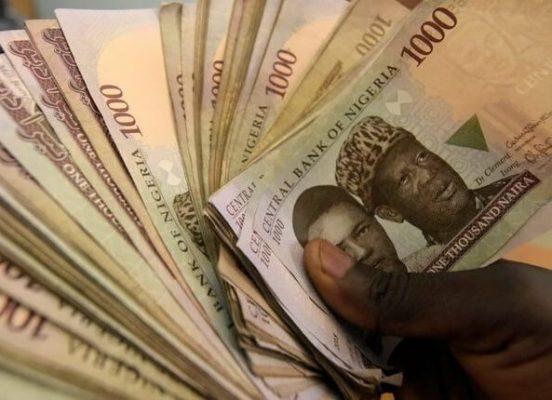
The Nigerian Naira is exhibiting tentative signs of recovery as 2026’s first full trading week gets underway, though sustained demand for the US Dollar continues to challenge the local currency.
Closing 2025’s rates slightly, the Naira’s performance remains fragile against global reserve currency pressures.
At the Central Bank of Nigeria (CBN)-regulated Nigerian Foreign Exchange Market (NFEM), the Naira is quoted at an average of ₦1,441.85/$1 on the 5th of January.
Trading opened with volatility, briefly dipping to ₦1,437.10 before firming up. Analysts highlight that liquidity levels within this official window remain pivotal for transparent pricing, especially as authorities push for a unified exchange rate structure.
Outside the official channels, the parallel market, commonly called the “black market” still commands a premium.
Also Read: Rivers Deputy Governor Ngozi Odu Defects to APC
In major commercial centers such as Lagos, Abuja, and Kano, street traders and Bureau De Change (BDC) operators are selling the Dollar between ₦1,455 and ₦1,465. Rates vary based on transaction size and location.
Notably, the spread between the official and unofficial rates has contracted modestly in recent weeks. This gradual convergence is attributed to stricter monetary measures, though a notable differential remains.
The current dynamics are fueled by the post-holiday return of full economic activity. Manufacturers and importers are actively sourcing dollars to replenish supplies for Q1 2026, amplifying upward pressure on the Greenback.
Financial observers are also monitoring the CBN’s foreign reserve positions closely, watching for any potential market interventions aimed at boosting dollar liquidity.
While the Naira’s early 2026 movement indicates a slight uplift, market stability hinges on balancing robust dollar demand with consistent policy support and enhanced forex supply.
