


Pneumonia remains one of the world’s deadliest but most underestimated diseases, silently claiming lives every day. Despite advances in medicine, it continues to pose a major public health threat, particularly to children under five, older adults, and people with weakened immune systems.
Globally, pneumonia is among the leading causes of death in young children. According to UNICEF, more than 1,400 out of every 100,000 children under five develop the disease annually — roughly one in every 71 children. These figures highlight not just a medical concern, but a preventable tragedy driven by gaps in healthcare access and awareness.
Pneumonia occurs when bacteria, viruses, or fungi infect the lungs, causing inflammation and filling the air sacs with fluid or pus. This disrupts oxygen exchange, making breathing difficult and placing vital organs under strain. In severe cases, oxygen deprivation can become life-threatening.
One of pneumonia’s greatest dangers is how easily it is mistaken for less serious illnesses. Early symptoms often resemble the flu or a common cold, leading many people to delay seeking care. As the infection worsens, clearer warning signs emerge, including persistent high fever, chest pain, rapid or laboured breathing, chills, extreme fatigue, and a productive cough that may produce yellow, green, or blood-stained mucus. Children may also experience vomiting, poor feeding, or lethargy.
Environmental and social conditions significantly increase vulnerability. Exposure to air pollution, smoke, and toxic fumes weakens lung defences, while poor nutrition, overcrowding, inadequate ventilation, and underlying illnesses raise infection risk. These factors are most prevalent in low-income and rural communities where healthcare services are often limited.
Without timely treatment, pneumonia can lead to serious complications such as respiratory failure, fluid accumulation around the lungs, bloodstream infections (sepsis), lung abscesses, and organ failure. Early diagnosis is therefore critical. Healthcare providers rely on physical examinations and tests such as chest X-rays, blood analysis, sputum tests, and oxygen level monitoring to confirm the disease and guide treatment.
Read more: Lassa Fever Cases Hit 1,069 as Death Rate Rises
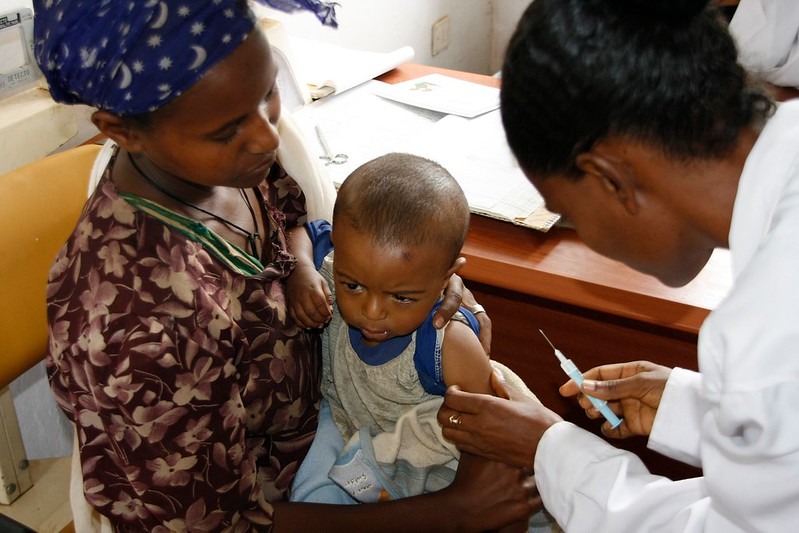
Prevention remains the most effective defence. Vaccination, particularly against pneumococcal bacteria, significantly reduces severe illness and death, especially among children and older adults. While vaccines do not eliminate pneumonia entirely, they drastically lower risk and complications.
Simple protective habits also matter. Regular handwashing, avoiding crowded or poorly ventilated spaces, and maintaining good nutrition help limit infection. For infants, exclusive breastfeeding during the first six months provides strong protection against respiratory diseases, including pneumonia.
Treatment depends on the cause. Bacterial pneumonia requires antibiotics, fungal infections need antifungal medication, and all patients benefit from supportive care such as hydration, rest, pain relief, and oxygen therapy. Severe cases may require hospitalisation.
Despite the availability of vaccines and effective treatments, pneumonia continues to claim millions of lives each year because healthcare access remains unequal. Tackling the disease requires sustained investment in primary healthcare, wider vaccine coverage, public awareness, and early intervention.
Pneumonia is not just a medical issue — it reflects deeper inequalities in access, education, and health systems. Addressing it demands coordinated action from governments, health institutions, and communities. With the right commitment, countless lives can be saved — one breath at a time.
