


Nigeria’s healthcare system, a critical pillar of national productivity and social stability, is under mounting pressure from workforce shortages, chronic underfunding, and systemic neglect. With a population exceeding 220 million, the country’s capacity to meet growing health demands is increasingly strained, raising serious concerns about sustainability and resilience.
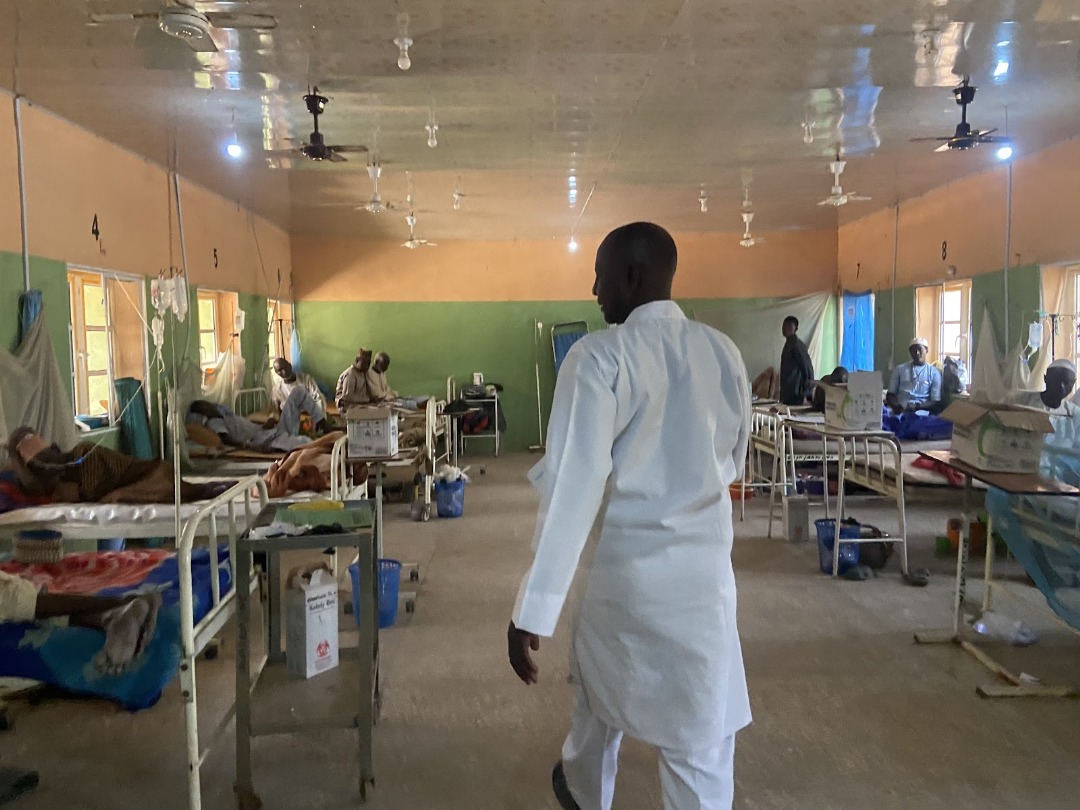
Hospitals across the country reflect the same challenges: overcrowded wards, long waiting times, limited access to specialists, and exhausted professionals working extended shifts. Nigeria falls well below the World Health Organization’s recommended health worker–to–population ratio. In many rural areas, a single nurse or community health worker serves thousands, often without adequate equipment, drugs, or institutional support, leaving the system in constant survival mode.
A major driver of the crisis is the steady migration of skilled health professionals. Doctors, nurses, pharmacists, and laboratory scientists continue to leave the country in large numbers in search of better pay, safer working conditions, and clearer career paths abroad. This brain drain has weakened public and private hospitals alike, forcing junior staff to manage complex cases with limited supervision and reducing the capacity of teaching hospitals to train future specialists.
Read also: Infectious Diseases Continue to Strain Nigeria’s Health System
Underfunding further compounds the problem. Nigeria’s health budget consistently falls short of both regional and global benchmarks. Aging infrastructure, unreliable power supply, obsolete equipment, and shortages of basic consumables force healthcare workers to improvise, often using personal resources to keep services running. This environment erodes morale and negatively affects patient outcomes.
Emergency preparedness exposes additional weaknesses. Disease outbreaks, maternal emergencies, and accident-related trauma frequently overwhelm facilities. Poorly coordinated ambulance services, weak referral systems, and limited intensive care capacity contribute to avoidable deaths and declining public trust.
Training and professional development also remain constrained. Although Nigeria produces thousands of health graduates annually, internship slots, residency programs, and continuing education opportunities are limited and underfunded. Without sustained investment in skills development, the workforce struggles to keep pace with evolving health challenges.
Despite these pressures, many healthcare workers remain committed, sustained by professional ethics and community loyalty. Emerging private-sector partnerships, faith-based initiatives, telemedicine, and community health programs offer glimpses of potential progress.
However, resilience alone cannot sustain the system. Nigeria’s healthcare workforce crisis is not just a health issue but an economic and development concern. Addressing it requires increased and accountable funding, improved working conditions, and policies that make staying in Nigeria a viable choice for health professionals. Without decisive action, the system will continue to rely on dedication strained by neglect, at a cost the nation can no longer afford.
