


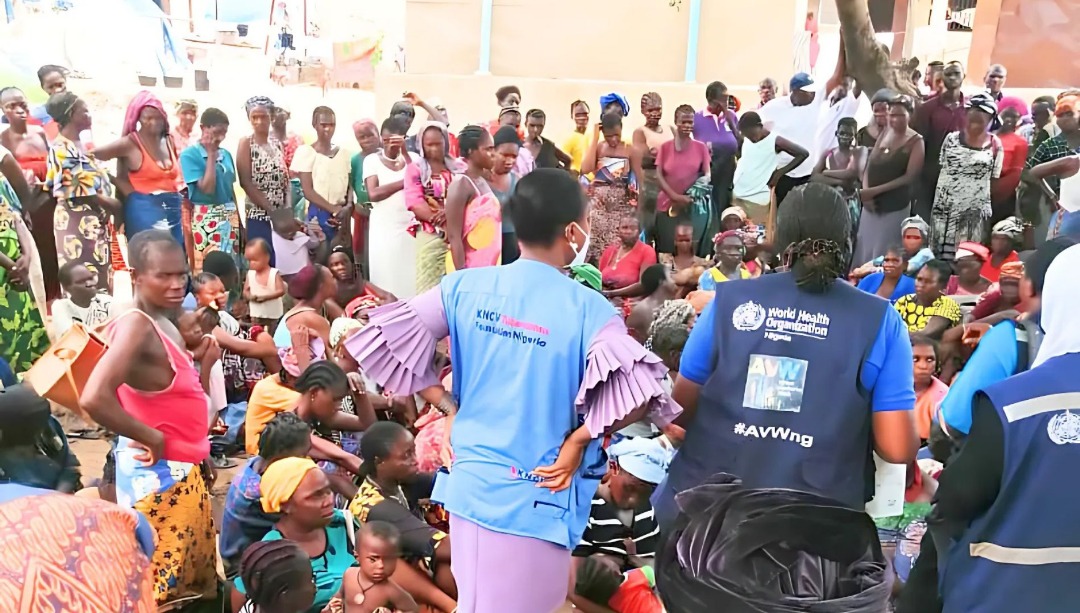
Nigeria continues to grapple with persistent infectious disease outbreaks that pose serious public health challenges across the country. Despite ongoing surveillance and response efforts, multiple preventable illnesses remain entrenched, placing pressure on health authorities and vulnerable communities.
Lassa fever remains one of the most severe threats in 2025. Data from the Nigeria Centre for Disease Control and Prevention (NCDC) show over 1,000 confirmed cases and nearly 190 deaths recorded across more than 20 states, with Ondo, Bauchi, Edo, and Taraba bearing the highest burden. Health experts note that transmission intensifies during the dry season, when rodents move closer to human settlements in search of food. In the absence of an approved vaccine, prevention continues to rely heavily on hygiene, environmental sanitation, and early medical intervention.
Mpox has also persisted, underscoring the need for sustained surveillance and public awareness. Health authorities warn that reduced vigilance could allow new outbreaks to emerge, particularly in densely populated areas.
Read also: Mental Health Awareness Gains Momentum in Nigeria
Water and vector-borne diseases such as cholera, yellow fever, and dengue fever have resurfaced in several regions, driven largely by poor sanitation, unsafe water sources, and seasonal flooding. The rainy season has further heightened risks, exposing both urban and rural communities to recurring outbreaks. The NCDC has issued repeated advisories urging preventive action and rapid reporting of suspected cases.
While Nigeria has made progress in disease monitoring and emergency response, gaps in infrastructure, uneven vaccine coverage, and underlying socio-economic conditions continue to hinder effective control. Experts stress that without sustained investment in prevention, public education, and primary healthcare strengthening, infectious diseases will remain a recurring national challenge.
As the country approaches another high-risk transmission period, health professionals emphasize that coordinated action, community engagement, and consistent funding are critical to reducing disease spread and protecting public health.
