


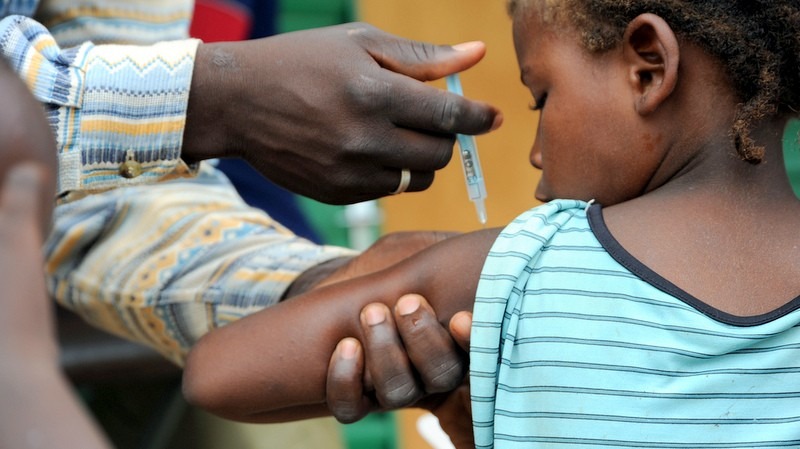
Nigeria continues to face persistent pressure from infectious diseases, despite years of public health interventions and awareness campaigns. Outbreaks of largely preventable illnesses such as Lassa fever, cholera, meningitis, and diphtheria still place a heavy burden on the country’s healthcare system, exposing deep gaps in infrastructure and disease prevention.
Lassa fever remains a recurring concern, particularly during the dry season, with states including Ondo, Edo, Bauchi, Taraba, and Plateau frequently reporting spikes in cases and deaths. The disease thrives in environments marked by poor sanitation and overcrowding, and late presentation at health facilities continues to increase fatality rates despite growing public awareness.
Cholera outbreaks also resurface regularly during the rainy season, especially in communities lacking access to clean water and proper sanitation. Flooding often contaminates water sources, allowing the disease to spread rapidly in densely populated urban areas and rural settlements. Health officials repeatedly link outbreaks to unsafe drinking water and poor hygiene practices.
Read also: PETROAN Urges Tinubu to Resolve Downstream Sector Disputes
Meningitis remains a seasonal threat in northern Nigeria, which lies within Africa’s meningitis belt. Although vaccination campaigns have reduced some strains, gaps in coverage and logistical challenges leave many communities vulnerable. The disease often progresses quickly, leading to death or long-term disability when treatment is delayed.
Diphtheria has also re-emerged in recent years, particularly among children, largely due to low immunisation coverage, vaccine hesitancy, and disruptions in routine healthcare services. Its return highlights how easily progress in disease control can be reversed when preventive systems weaken.
Beyond health impacts, repeated outbreaks impose serious economic and social costs. Families spend scarce resources on medical care, productivity declines, and healthcare workers face increased risks in under-resourced facilities. Experts stress that early detection, strong disease surveillance, and community engagement are critical to controlling outbreaks.
Public health specialists also emphasise the importance of sustained investment in laboratories, primary healthcare, health education, and workforce retention. As climate change, urbanisation, and population growth continue to influence disease patterns, Nigeria’s infectious disease burden remains a key test of its health system and broader governance capacity.
