


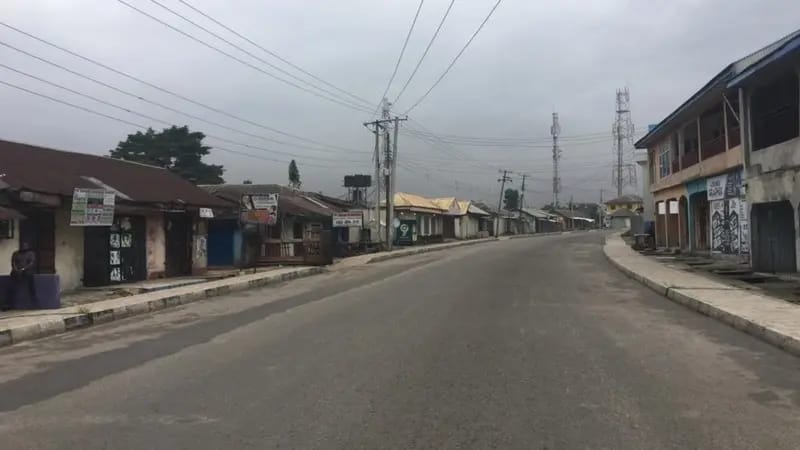
In parts of Port Harcourt — especially neighbourhoods like Rumuodomaya — there are occasions when shops and stalls remain closed not because of official curfews or laws but due to organised prayer activities.
On the 16th of December, shops and residents in Rumuodomaya and nearby communities were asked to keep their shops closed as people gathered for a community prayer session. This kind of directive — while not enforced by government law — comes through community networks.
This is part of a longer tradition in Port Harcourt where market life sometimes pauses for spiritual activity, reflecting how faith and commerce interact in everyday life
Port Harcourt has a strong Christian presence with many neighbourhood churches, prayer groups, and regular intercessory programmes. Such gatherings are scheduled throughout the year, often focusing on peace, prosperity, or protection for local communities.
In this environment, many traders voluntarily stop business to participate in or honour these spiritual events, believing in a positive spiritual outcome for the community and their livelihood.
News: How Nigerians Took Over YouTube In 2025
Unlike formal lockdowns or government curfews, these prayer-based closures are social rather than legal directives.
This practice is similar to other Nigerian communities where spiritual life and community rhythms influence marketplaces and daily routines.
On most days, Port Harcourt’s markets, shops, and businesses operate normally. However, on days when major prayer events are scheduled or widely encouraged, many traders choose to pause work early, and shoppers may find bustling streets quiet as communities gather in worship and intercession.
This blend of spirituality and economic life highlights how faith remains a central, everyday force in Port Harcourt — shaping not only church attendance but also the very rhythm of local commerce and social life.
