


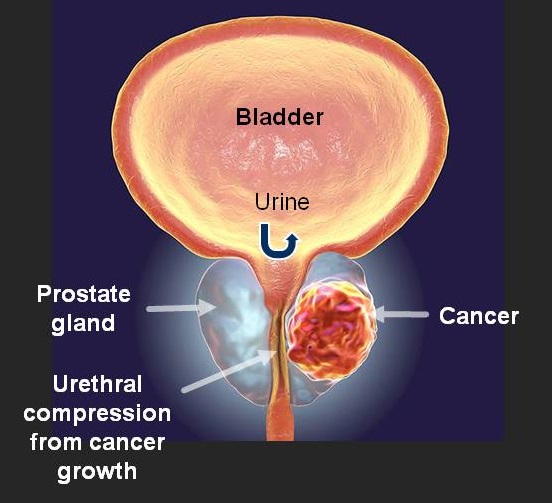
Abuja Medical experts have raised concern over a growing increase in bladder and testicular cancer cases in Nigeria, adding to the country’s already high burden of prostate cancer. The President of the Association of Urological Surgeons of Nigeria (NAUS), Prof. Nuhu Dakum, said conditions once considered relatively rare are now appearing more frequently in hospitals nationwide.
Speaking on Tuesday, December 16, 2025, Prof. Dakum described the trend as a worrying public health challenge, noting that while exact figures are still being compiled, clinical evidence points to a steady rise in urological cancer cases.
The development comes amid Nigeria’s heavy cancer burden. According to the Coordinating Minister of Health and Social Welfare, Prof. Muhammad Pate, the country records about 127,000 new cancer cases annually, with nearly 80,000 related deaths. Globally, the World Health Organization projects that new cancer cases could exceed 35 million by 2050, representing a 77 per cent increase from 2022 figures.
Read also:NCDMB, Harrisbay Launch Cybersecurity Training to Empower Youths in Port Harcourt
Prof. Dakum, a Professor of Surgery at the University of Jos, noted that prostate cancer remains the most commonly diagnosed urological cancer among Nigerian men and the leading cause of cancer-related deaths in the group. He identified late presentation as a major challenge but said improved awareness and diagnostics are helping patients seek care earlier.
“We are beginning to see more cases at earlier stages when effective treatment and even cure are possible,” he said.
He identified age, race, and family history as key risk factors, explaining that men over 50, individuals of African descent, and those with a family history of the disease face higher risks.
On prevention and early detection, Prof. Dakum urged men to undergo routine Prostate-Specific Antigen (PSA) testing, stressing that symptoms often appear only when the disease has advanced. He also advised adopting healthier lifestyles, including reduced fat intake, increased consumption of fruits and vegetables, and regular physical activity.
