Civil society organisations (CSOs) in Rivers State have been urged to strengthen their advocacy by adopting a data-driven approaches, as reliable data remains crucial for influencing policy change.
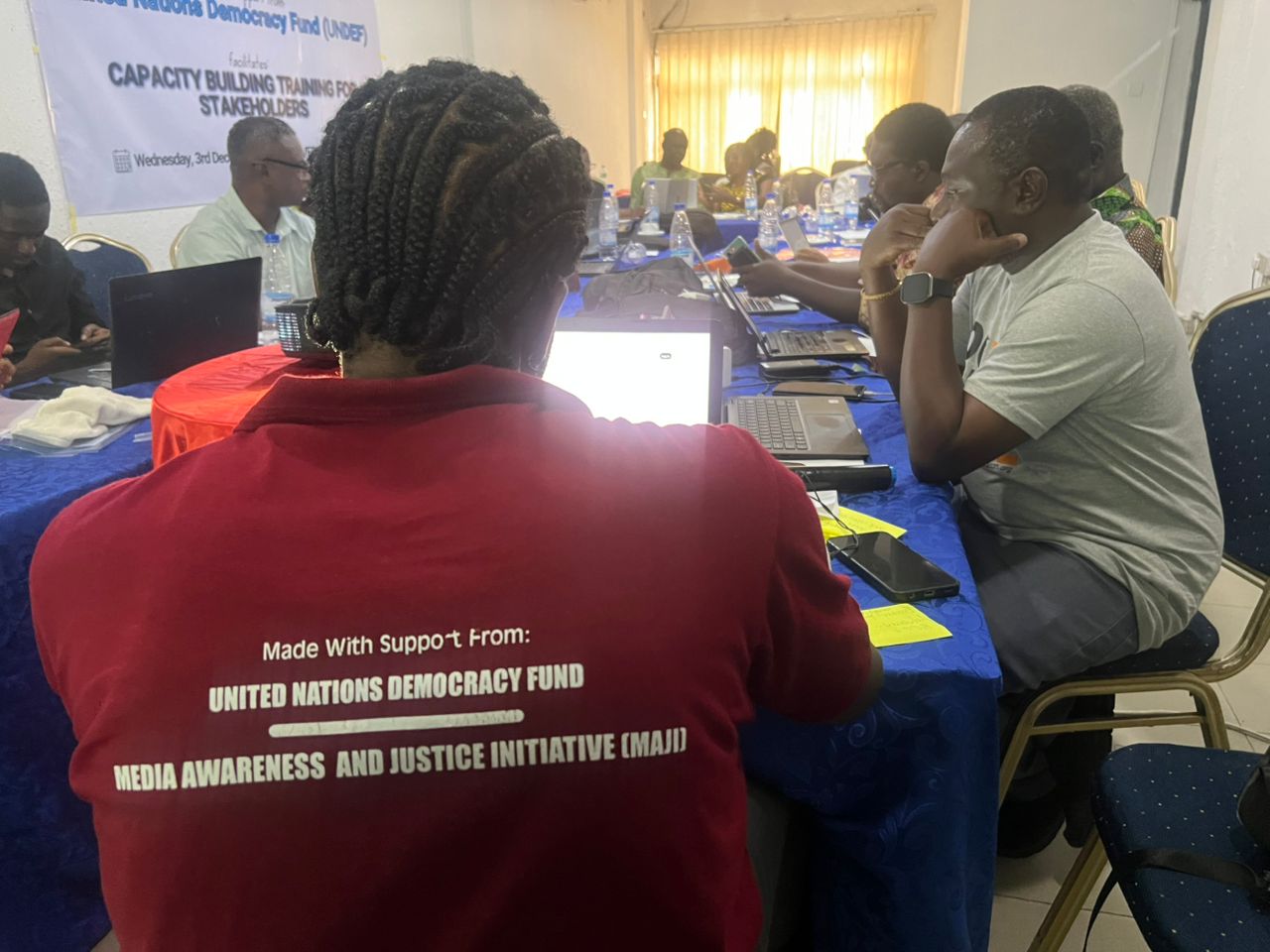
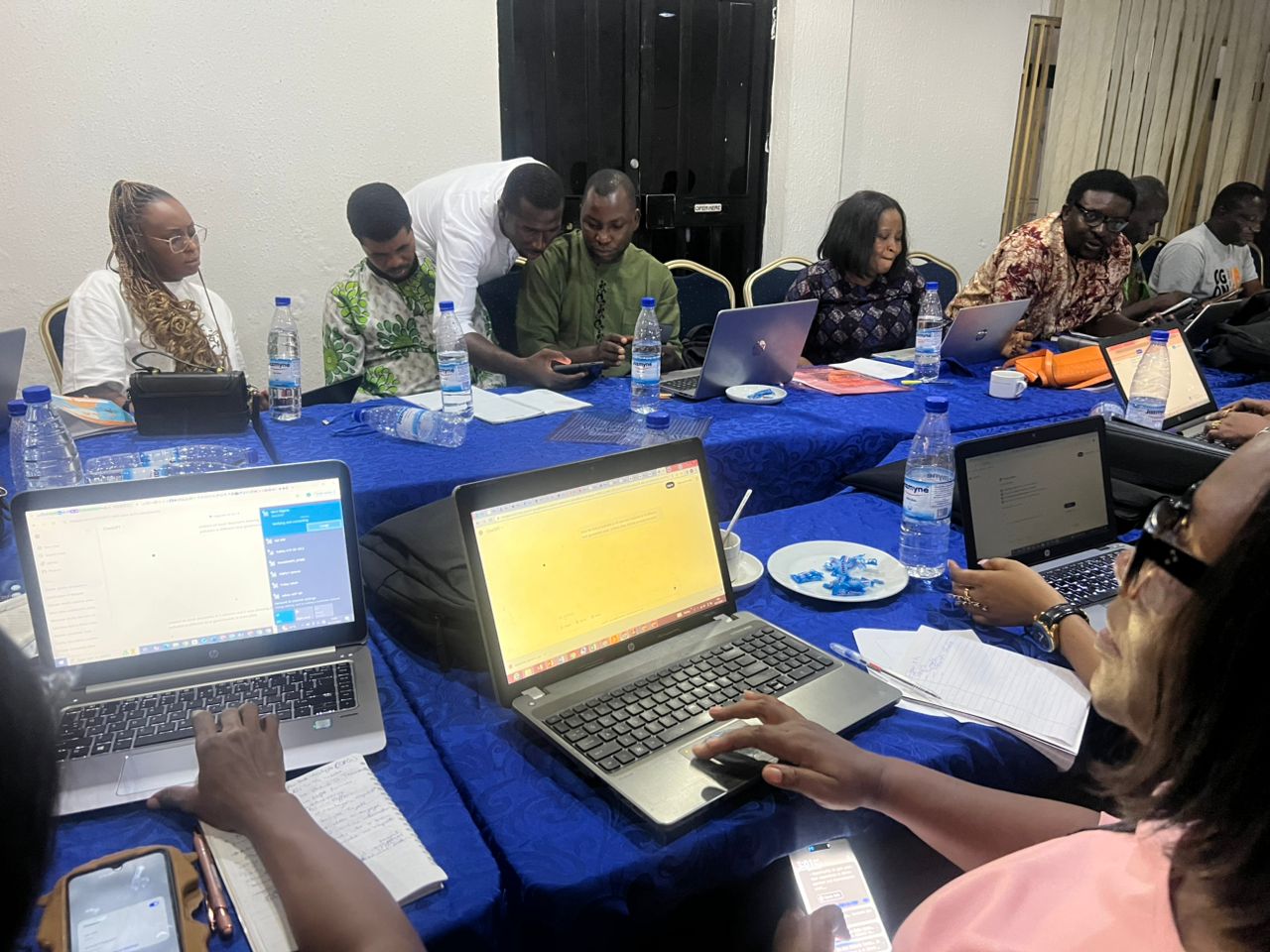
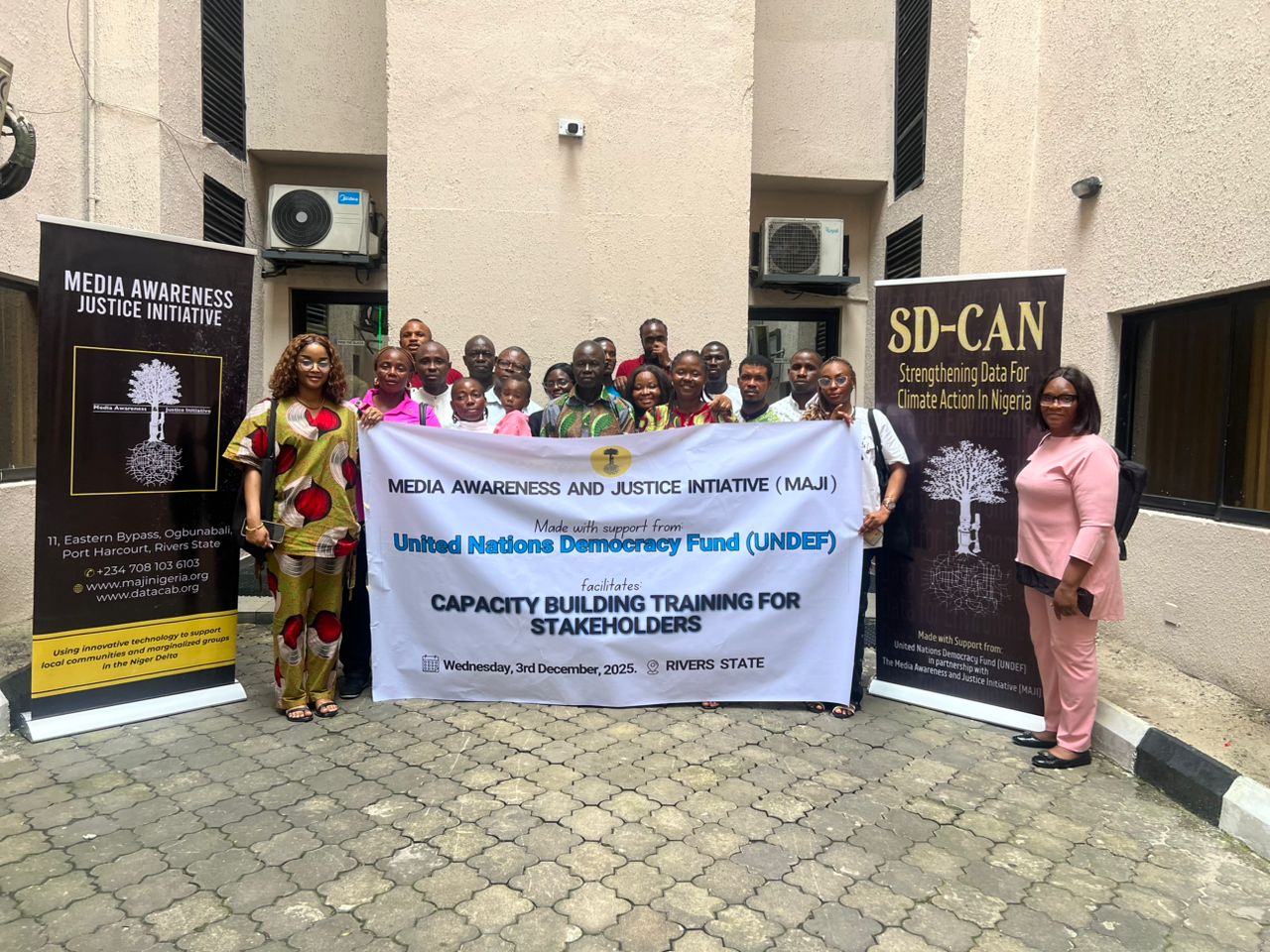
This call was made during a one-day capacity-building workshop for CSO groups, organised by the Media Awareness and Justice Initiative (MAJI) with support from the United Nations Democracy Fund (UNDEF). The training focused on equipping participants with skills in data collection, analysis, interpretation, and the use of evidence for strategic stakeholder engagement.
Presenting on the topic “Capacity Building Training for Data CSOs in Rivers State,” MAJI’s Senior Project Officer on Environment, Ikechukwu Ahaka, emphasised that CSOs must rely on evidence-based campaigns to influence decisions and drive meaningful policy reforms.
He noted that MAJI’s recent work on air quality monitoring, using devices installed in communities, is already helping organisations show pollution patterns and demand interventions.
The training covered areas such as environmental data sources, including air, water and soil quality data collection techniques, data quality assurance, and the use of data for evidence-based advocacy.
In his paper titled “Data Collection and Interpretation for Advocacy,” Dr. Prince Eze of Ignatius Ajuru University stressed that data should help identify solutions, not just highlight problems. He warned against data abuse, including publishing unauthorized sensitive information or manipulating data for personal interests.
“Advocacy is about policy change. You cannot achieve results without data. Data becomes meaningful only when properly analysed and interpreted in a way policymakers, media and communities can understand.”
Environmental rights defender, Celestine Akpobari, who participated in the training, commended MAJI for enhancing the capacity of activists to support campaigns with verifiable scientific evidence.
“Before now, we just shouted that our environment is polluted. Today, we have facts and data that cannot be denied,” he said, urging more community leaders and environmental advocates to undergo similar training.
He added that with improved access to reliable environmental data, communities no longer need to depend solely on oil companies for information on pollution levels.
The workshop is expected to strengthen collaboration among CSOs and improve the quality of advocacy efforts across the state.
Read also: Rivers PDP Rejects Wike’s Expulsion