


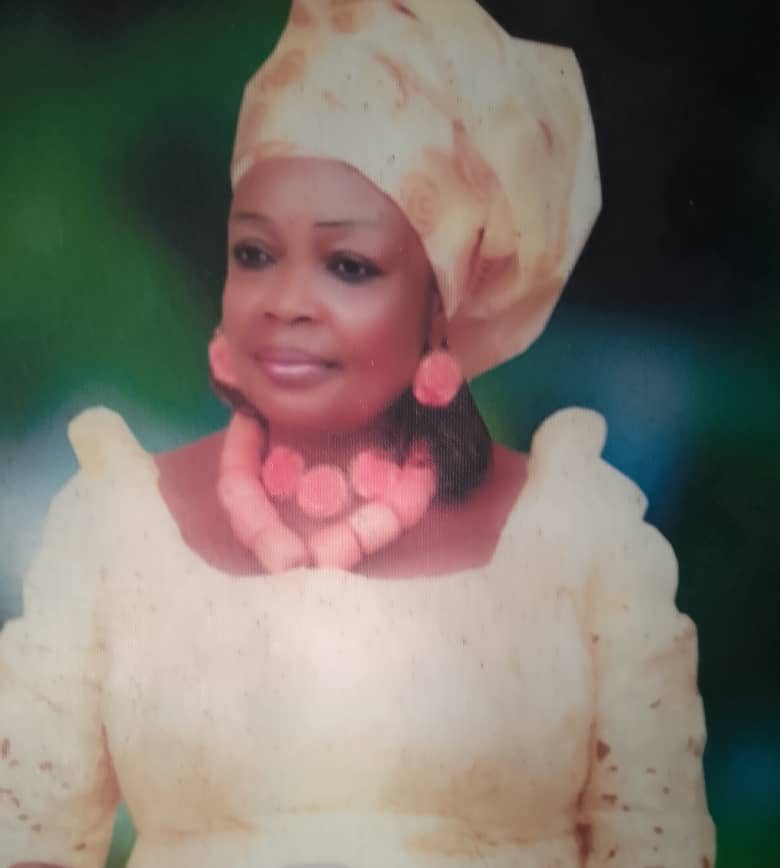
In a growing wave of advocacy for gender- inclusion governance, an advocacy women group in the Niger Delta region, the Opobo Women Welfare Association, OWWA, has called on Political leaders to intensify and sustain policies, programmes and interventions that will empower women across various sectors of national life.
Speaking with newsmen in Opobo Town, headquarters of Opobo/Nkoro Local Government Area of Rivers State on the need to encourage and include women in the government development mainstream, President of the group, Amaopuorubo Felicia Stephen- Pepple emphasized that while significant gains have been achieved in recent years, particularly in entrepreneurship support, healthcare access, and educational opportunities, much more remains undone.
Amaopuorubo Pepple noted that economic hardship, underrepresentation in governance, and rising social challenges needed urgent attention from government at all levels to adopt a long-term, gender-sensitive development strategy.
She argued that empowering women in coastal and riverine communities would yield multiplied effects, improved household income, strengthened micro- economies, better health outcomes, and enhanced community resilience.
Amaopuorubo Felicia Pepple maintained that women remained the backbone of riverine development stressing that as the nation wrestles with economic pressures and governance challenges, the voices from Opobo women signal a strong grassroots demand for inclusive policies.
“Women in riverine communities like Opobo have carried the weight of economic survival for decades, managing households, sustaining micro- businesses, nurturing community life, and driving informal economies. Yet, their contributions remain undervalued, and their access to opportunities minimal.
“So, when Opobo women call on Nigerian leaders to continue empowering women through policies and programmes, they speak not merely for themselves, but for millions of women across the federation.
“The statistics are clear: societies that invest in women see accelerated development. Economies perform better. Communities become safer. Children receive greater educational support. This is not rhetoric, it is evidence.
“Policies must move from political promises to practical, measurable programmes: greater access to credit, enforced political inclusion, digital literacy, and protection against gender-based violence.
“Nigeria cannot afford to sidestep half of its population. The Opobo women’s demand is not confrontational. It is visionary. If leaders listen, the country stands to win”, Amaopuorubo Felicia Pepple declared.
The President of OWWA further recommended the establishment of gender-focused economic hubs, scholarships for girls in STEM, and a comprehensive response framework for cases of gender-based violence.
Also see: Gov. Fubara Reaffirms Partnership With Navy to Tackle Maritime Crimes
According to her, “Local Chiefs and community stakeholders expressed support for the women’s position, underscoring that empowering women would enhance family stability and community development.
She, however, explained that riverine communities face distinct challenges, such as, limited infrastructure, harsh economic realities, and socio- cultural constraints.
“Women in these regions often bear the brunt of these notable obstacles. It is, therefore, imperative that government interventions do not fade with political cycles. Empowerment must be institutionalized, not seasonal.
“We, as a group believes that the Federal Government and subnational authorities, should implement gender-responsive budgeting, create community- based empowerment centres, and enforce quotas for women in political appointments”.
“Empowering women is not optional, it is a strategic investment in Nigeria’s future”, Amaopuorubo Felicia Stephen Pepple submitted.
