


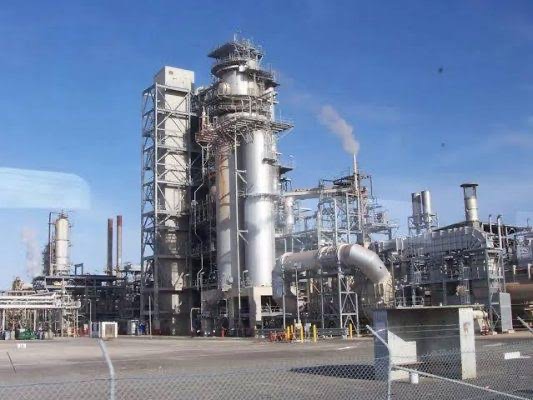
Residents of Rivers State wake up each day to the promise of abundant resources beneath our soil, yet the reality often falls short of that potential. The Port Harcourt Refinery, a landmark in our region, stands as a symbol of what could fuel economic growth for communities here.
With the Federal Government now considering the sale of state-owned refineries to attract investors and enhance competition, this moment offers Rivers people a chance to advocate for reforms that prioritize local benefits and operational excellence.
The four national refineries, including the two in Port Harcourt with a combined capacity contributing significantly to the 445,000 barrels per day total, hold immense value for downstream activities. Port Harcourt alone processes crude into products that could supply fuel stations, industries, and homes across the South-South.
Past efforts to maintain these facilities have involved substantial investments, yet full capacity remains elusive. The recent shutdown of the Port Harcourt Refinery for scheduled repairs, initially planned for 30 days starting May 24, 2025, has extended beyond 80 days without clear progress. This delay underscores the need for fresh approaches to management and funding.
Government leaders, through the Special Adviser on Energy, have highlighted privatization as a viable option to bring in technical partners with capital and expertise. Removing subsidies has cleared market distortions, paving the way for commercial operations.
The Nigerian National Petroleum Company Limited seeks equity partners to run these plants at global standards, a move that aligns with broader reforms under President Bola Tinubu. An eventual initial public offering for NNPC could further promote transparency and efficiency, benefiting shareholders and the nation.
Also Read: http://Buildup; Rivers United V Nasarawa United
For Rivers State, this shift presents opportunities to transform dormant assets into engines of job creation and revenue. Imagine the Port Harcourt Refinery operating at peak levels, employing thousands from Eleme to Obio-Akpor, and supplying affordable petroleum products to local markets.
Investors could upgrade infrastructure, introduce modern technologies, and ensure consistent output. State government collaboration with federal authorities and NNPC becomes essential here. Rivers leaders should push for clauses in any sale agreement that mandate local content, such as prioritizing hires from host communities and sourcing services from indigenous firms.
Community stakeholders, including traditional rulers and youth groups, play a key role in this process. Engaging early with potential investors ensures that environmental standards protect our waterways and farmlands.
Training programs tied to refinery operations can skill up young people in Rivers, reducing unemployment and fostering entrepreneurship in related sectors like logistics and maintenance.
The NNPC Chief Executive Officer expressed optimism about effective operations ahead. Building on this, a structured timeline for resuming activities at Port Harcourt, coupled with public updates, would build trust. Partnerships should include performance benchmarks, with incentives for meeting production targets that directly impact local economies.
Rivers State thrives when its resources work for its people. Embracing investor-led management for the refineries, guided by transparent deals and community input, charts a course toward sustained efficiency. Policymakers must act decisively to secure these gains, turning policy discussions into tangible progress for generations in the Niger Delta.
