


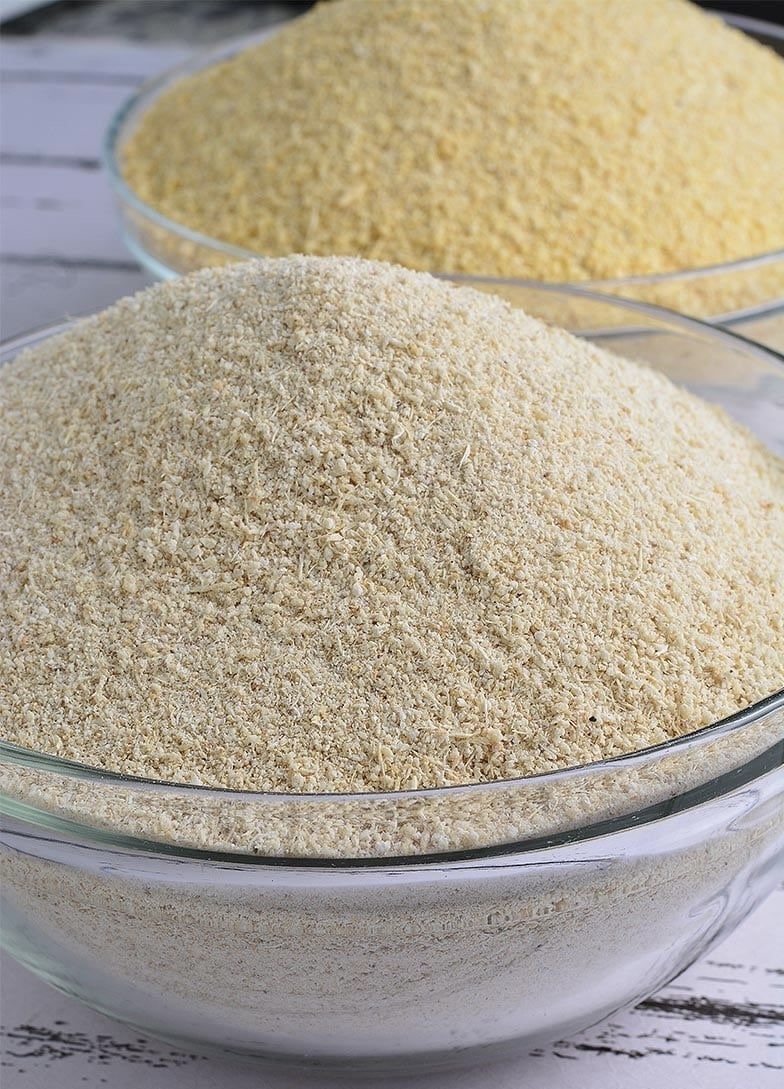
Garri, farine de manioc as the French call it, is one of Nigeria’s most beloved staples; it has a history as rich as its taste. It can be fried, drunk, baked, boiled, eaten raw, part of a meal, or a whole meal itself; it is even known as an energy-giving food. Many Nigerians enjoy this God-given treasure, but only a few know the origin.
Made from the tubers of the cassava plant, this staple food owes its existence to an unexpected journey across continents. Cassava was originally cultivated in South America over 7,000 years ago before Portuguese traders introduced it to West Africa in the 16th century during the transatlantic slave trade. By the 19th century, returning freed slaves helped refine cassava-processing techniques, giving rise to the familiar garri that has since become a cornerstone of Nigerian cuisine.
Once dismissed by the uninitiated as “a poor man’s food,” garri has, for generations, been a lifesaver—especially for students and low-income earners. Nigeria now produces over 250,000 tonnes of it annually with variations like Ijebu garri, Etche garri, Ikwerre garri, Ogoni Garri, Enugu garri, a testament to its central place in the nation’s diet and economy.
The production of garri is a labor of love, requiring patience and skill. Cassava tubers are peeled, grated, fermented, pressed, sieved, and roasted in wide pans to produce the fine, grainy flakes. Though the process is demanding, the result is deeply satisfying—a food that is both nourishing and versatile.
Also Read:Meet Rivers State’s Richest Food

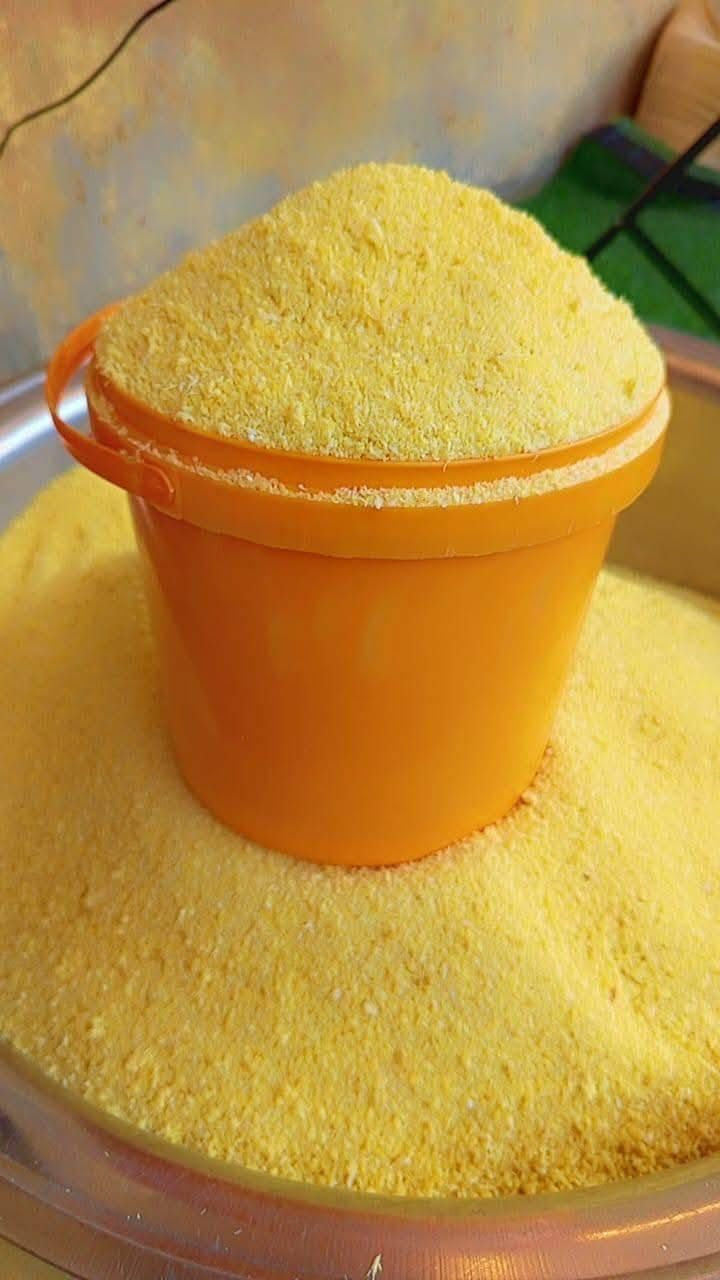
Across West Africa, garri holds a special place in everyday life. In Nigeria, it serves as both a snack and a staple meal. Among the Yoruba, it is transformed into Eba—a doughy “swallow” made by stirring garri into hot water and eaten with soups like egusi, ogbono, or vegetable soup. The yellow variant, which gets its color and smoothness from palm oil added during roasting, is especially popular for its milder taste and softer texture.

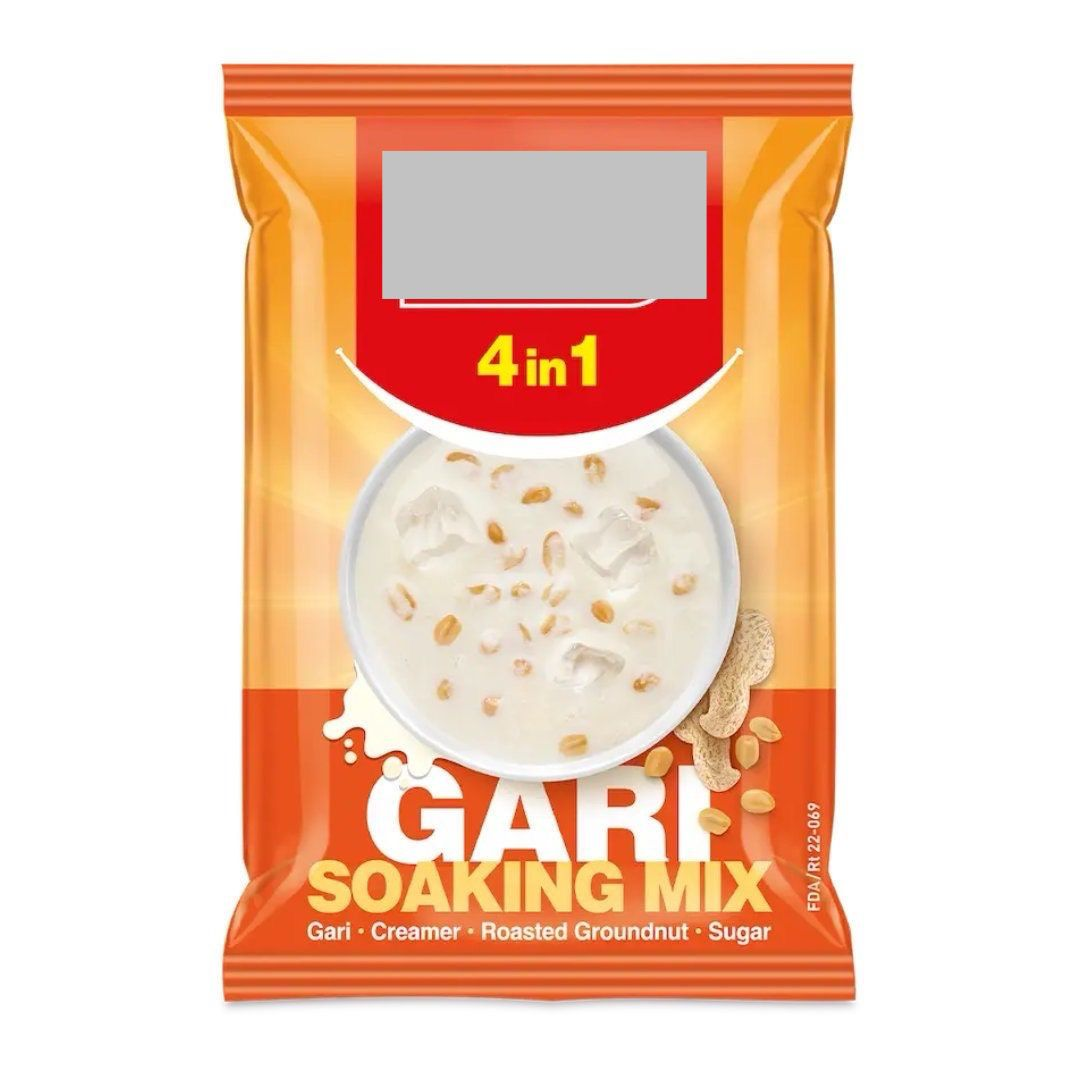
Garri can also be enjoyed in a casual way—“drinking” it by soaking it in cold water, often with groundnuts, milk, sugar, or fried fish. The Ijebu variety is especially loved for its sharp, tangy flavor, fondly described by Nigerians as having a “slap.”
Beyond its cultural and culinary importance, garri has notable nutritional value. Proper fermentation and roasting remove traces of cyanide naturally present in cassava, making it safe to eat. It is high in carbohydrates, fiber, calcium, and riboflavin, and contains resistant starch, which aids digestion, promotes fullness, and helps regulate blood sugar levels—reducing the risk of diabetes.

Today, Nigeria remains the world’s largest producer of cassava, yet the crop’s vast potential is far from fully tapped. Cassava can be processed into an array of products—garri, fufu, animal feed, alcohol, industrial starch, sweeteners, and even biodegradable materials. Fully harnessing this potential could transform Nigeria’s economy. But as always, one can’t help but wonder: will the nation ever truly maximize the gifts of its soil?
