


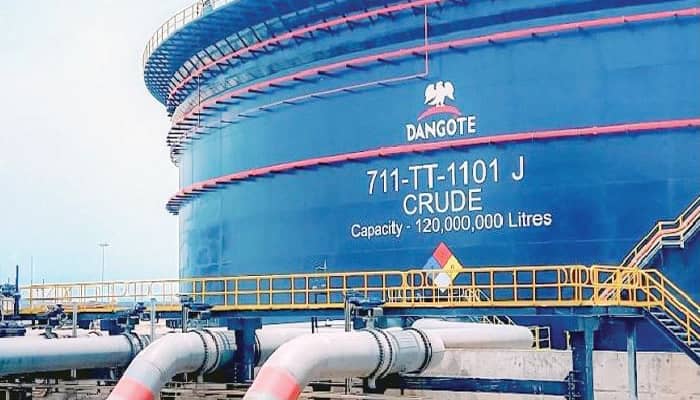
Dangote Petroleum Refinery and Petrochemicals Limited will restart gantry self-collection sales for petroleum products on Tuesday, September 23, 2025. This move reverses a brief suspension implemented on September 18, 2025, which had shifted operations to the refinery’s Free Delivery Scheme. The change allows marketers greater flexibility in sourcing fuel directly from the facility.
In an official communication, the refinery stated: “In reference to the earlier email on the suspension of PMS self-collection gantry sales, we will resume these operations on September 23, 2025.” It also highlighted ongoing efforts with the Free Delivery Scheme, which remains available for registration.
Under this program, registered retail outlets can receive direct shipments across Nigeria at no extra cost, aiming to streamline distribution and cut middlemen expenses.
The suspension, just five days ago, sought to promote the delivery model and limit dealings with unregistered buyers. Now, both options coexist to support diverse marketer needs. The refinery expressed regret for disruptions, pledging to enhance efficiency and maintain steady supply nationwide.
Also see: President Tinubu Celebrates 2Baba On His Birthday
Industry observers see potential benefits. Jeremiah Olatide, CEO of Petroleumprice.ng, noted that Dangote’s direct distribution strategy could lower pump prices by removing intermediary hurdles. “This reform urges marketers to adopt innovative services, fostering best practices in the downstream sector,” he added, viewing the dual system as a step toward dynamic business evolution.
These adjustments come amid ongoing disputes. The Nigeria Union of Petroleum and Natural Gas Workers has criticized the refinery for delaying truck driver unionization, despite a government-brokered deal.
Meanwhile, the Depot and Petroleum Products Marketers Association of Nigeria has raised concerns over the delivery scheme’s reliance on Dangote’s transport at market rates. The refinery counters that it promotes supply stability and combats product diversion.
