


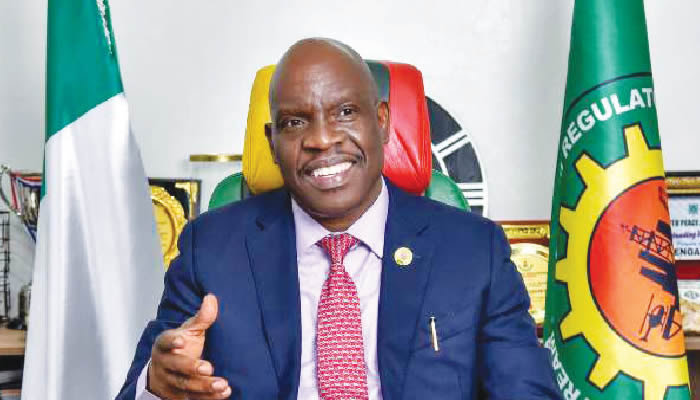
The Nigerian Upstream Petroleum Regulatory Commission (NUPRC) has ushered in a new era for Nigeria’s oil and gas sector, with reforms yielding $18 billion in final investment decisions (FIDs) for 2025.
For Rivers State, the heart of Nigeria’s oil production, these changes signal a transformative opportunity to strengthen its economy, create jobs, and address longstanding community concerns.
As a resident of Port Harcourt, I believe these reforms, driven by the Petroleum Industry Act (PIA) since August 2021, offer Rivers State a chance to reclaim its position as a global energy hub while tackling persistent challenges like oil theft and environmental degradation.
The NUPRC’s efforts, led by Engr. Gbenga Komolafe has directly impacted Rivers State, where oil and gas activities are a lifeline for communities. Speaking at the Nigeria Oil and Gas Energy Week in Abuja on September 10, 2025, Komolafe announced that the 2024 licensing round, which showcased 24 oil and gas assets, attracted global investors through roadshows in Houston and London.
Many of these assets are located in Rivers State, promising new projects that could generate thousands of jobs for local youths. With Nigeria’s oil production reaching 1.75 million barrels per day in July 2025, according to NUPRC data, Rivers State stands to benefit from increased revenue, which could fund infrastructure like roads and schools in areas like Bonny and Degema.
One of the most pressing issues in Rivers State has been oil theft, which drains resources and pollutes the environment. The NUPRC’s real-time monitoring systems, coupled with partnerships with security agencies, have slashed crude oil losses from 108,000 barrels per day in early 2022 to just 5,000 by December 2024, as reported on February 17, 2025, at the Renewed Hope Global Town Hall Conference.
This progress is a game-changer for Rivers State, where illegal bunkering has long fueled crime and unrest in communities like Okrika. By curbing these losses, the NUPRC is helping ensure that oil revenues reach state coffers, potentially funding social programs and reducing poverty in areas like Khana and Gokana.
Also Read: http://Unraveling Long-Standing Myths About Nigeria
Community engagement is another area where the NUPRC’s reforms resonate deeply in Rivers State. The commission has prioritized dialogue with host communities, as highlighted in a February 24, 2025, report by the Renewed Hope Ambassadors Network.
In places like Ogoniland, where oil exploration has historically sparked tensions, this approach fosters trust and reduces conflicts. As someone who has seen protests disrupt local businesses in Port Harcourt, I view this as a step toward sustainable development.
By involving communities in decision-making, the NUPRC ensures that Rivers State’s residents are not just spectators but active beneficiaries of the oil wealth beneath their feet.
However, challenges remain. Pipeline vandalism in areas like Eleme and illegal refining in creeks continue to threaten progress. The NUPRC’s adoption of surveillance technology is promising, but I believe more needs to be done to empower local vigilante groups with training and resources to protect pipelines.
Additionally, bureaucratic delays in project approvals can frustrate investors, potentially slowing down the economic boost Rivers State desperately needs. The commission must streamline these processes to maintain momentum.
Looking ahead, the NUPRC’s reforms offer Rivers State a chance to redefine its future. With $18 billion in investments secured for 2025, the state could see new refineries, gas plants, and training centers, creating opportunities for engineers, technicians, and entrepreneurs in places like Ahoada and Omoku.
As of September 17, 2025, the NUPRC’s commitment to transparency and global best practices is setting a strong foundation. For Rivers State, this is more than an economic opportunity; it’s a call to harness our resources responsibly, ensuring that every community, from Andoni to Tai, thrives in this new chapter of Nigeria’s oil story.
