


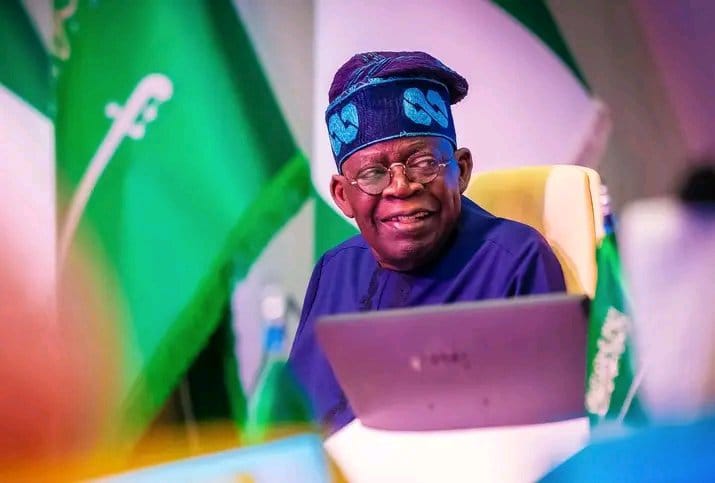
A president’s role is not just a job; it’s a commitment to a nation’s well-being, demanding unwavering focus and presence. While rest is valuable for any individual, a president’s decision to take a vacation, as President Tinubu has done several, raises serious concerns about priorities.
In a country like Nigeria, grappling with urgent challenges like economic hardship, insecurity, and infrastructure decay, the practical implications of a leader stepping away undermine public trust and effective governance. Presidential vacations, far from being a strategic tool, have signalled detachment and weakened leadership at critical moments.
The presidency is unique. Unlike corporate CEOs or even leaders in more stable nations, Nigeria’s president oversees a nation facing complex, immediate crises. Economic instability, rising poverty, and security threats demand constant attention.
A leader’s absence, even if supported by technology or a capable vice president, can slow decision-making and create gaps in momentum. Nigeria’s challenges require a hands-on approach, with the president visibly leading efforts to stabilize markets, address unrest, or drive policy reforms.
Taking a vacation, even with systems in place, risks delaying responses to fast-moving issues, leaving citizens to question whether their leader is fully committed.
Public perception matters deeply in governance. In Nigeria, where trust in leadership is already fragile, a president’s vacation can be seen as tone-deaf. Citizens struggling to afford necessities or living in fear of violence may view a leader’s time away as a sign of indifference.
This perception can erode confidence, fueling cynicism about the government’s priorities. A president who chooses rest over addressing pressing national issues risks appearing out of touch, especially in a culture where sacrifice and resilience are expected of everyday Nigerians. Leadership must reflect the urgency of the moment, not a schedule that prioritizes personal well-being.
The argument that vacations enhance a leader’s effectiveness also assumes ideal conditions. While rest can sharpen focus, there’s no guarantee it will lead to better decisions.
A president could return from a break just as overwhelmed by Nigeria’s challenges as before, especially if systemic issues like corruption or bureaucratic inefficiencies remain unaddressed.
Moreover, the idea that fresh ideas emerge during downtime overlooks the reality that Nigeria’s problems require consistent engagement, not sporadic bursts of inspiration.
Also Read: http://Ignatius Ajuru University of Education: Battle Against Cultism
Solutions to complex issues like unemployment or power shortages come from sustained effort, not moments of reflection abroad.
Global comparisons, such as leaders in Germany or Canada taking breaks, don’t fully apply. Those nations have more stable systems and fewer immediate crises, allowing their leaders to step away without significant disruption.
Nigeria’s context is different, with weaker institutions and greater dependence on the president’s direct leadership. A vacation in such a setting can amplify vulnerabilities, as the chain of command may not function as seamlessly as in more developed systems.
The president’s presence is not just symbolic; it’s a stabilizing force in a nation where trust in institutions is often shaky.
Additionally, the notion that a president’s vacation sets a positive example for work-life balance feels disconnected from Nigeria’s reality. Most citizens don’t have the luxury of taking breaks, as survival demands constant effort.
A leader who models rest may inadvertently highlight the gap between their privilege and the public’s struggles, further alienating those they serve. Leadership in Nigeria calls for visible sacrifice, not a demonstration of balance that feels unattainable to the average citizen.
Ultimately, a president’s duty must take precedence over personal needs. While no one expects leaders to work without rest, the timing and visibility of a vacation matter immensely.
In a nation crying out for solutions, President Tinubu’s choice to step away, however briefly, risks sending the wrong message at the wrong time.
Leadership requires presence, especially in turbulent times. Nigeria needs a president who stays engaged, showing relentless commitment to addressing its challenges. Anything less, even a well-intentioned break, can undermine the trust and progress the nation so desperately needs.
