

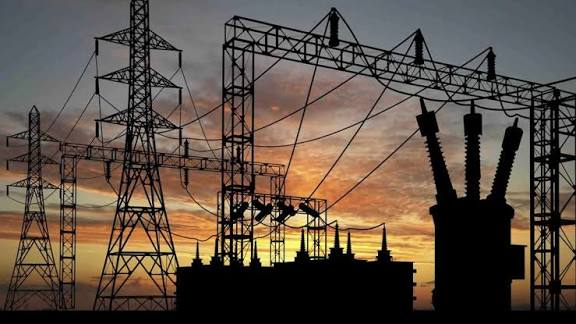
Nigeria’s electricity sector teeters on the edge of collapse, strained by a staggering N5.6 trillion debt to gas suppliers that has so far been a widespread concern for the nation’s energy stability.
This financial burden, accumulated through years of underfunding and delayed payments, now fuels a precarious situation for power generation companies (GenCos) and the communities they serve, from bustling urban centers to industrious regions like Rivers State.
The Managing Director of the Association of Power Generation Companies, Dr. Joy Ogaji, underscored this reality in a recent interview, highlighting the urgent need for a resolution to sustain the national grid.
Each month, GenCos face invoices averaging N270 billion, yet receive only N70 billion, creating a persistent N200 billion shortfall. A substantial portion of these funds, roughly 60%, compensates gas producers, who now face mounting losses.
Consequently, suppliers have begun reducing deliveries to power plants, prioritizing clients who settle promptly. This reduction compounds existing challenges, as plants operate below capacity, with some offline entirely.
A recent grid collapse, followed by a partial recovery to 4,000 megawatts, illustrates the fragility of the system. Without decisive action, the specter of prolonged blackouts looms, threatening economic hubs like Rivers State, where reliable power fuels commerce and industry.
The government has acknowledged the crisis. In July 2025, President Bola Tinubu met with GenCos, proposing a N4 trillion bond program to address legacy debts. Discussions also explored promissory notes to clear outstanding sums. Yet, months later, progress stalls, with no clear follow-up.
Also Read: http://LNG Uses AI to Increase Exports and Domestic Gas Supply
The 2025 budget allocates N900 billion to the power sector, a sum industry leaders deem insufficient, particularly without immediate cash backing. Agencies like the Nigerian Electricity Regulatory Commission and the Nigerian Bulk Electricity Trading Plc engage in talks, but solutions remain elusive.
Dr. Ogaji emphasizes the need for structural reforms to restore investor confidence. Private capital, vital for the sector’s growth, demands a stable framework. Proposed financial instruments, such as bonds and promissory notes, carry risks tied to interest rates, foreign exchange volatility, and liquidity constraints.
These must be carefully navigated to avoid further entrenching the sector’s woes. GenCos, often hailed as patriotic investors, face mounting pressures to maintain operations. Yet, as Ogaji aptly notes, patriotism alone cannot power plants.
The crisis reveals deeper flaws in Nigeria’s electricity market, where outdated structures hinder progress. For regions like Rivers State, the stakes are high. Power interruptions elevate costs for businesses and erode productivity, stifling economic potential.
The path forward requires bold reforms, swift financial interventions, and collaboration between government, regulators, and industry players. Only through such measures can Nigeria secure a stable energy future, illuminating the way for growth and prosperity across its diverse landscapes.
