


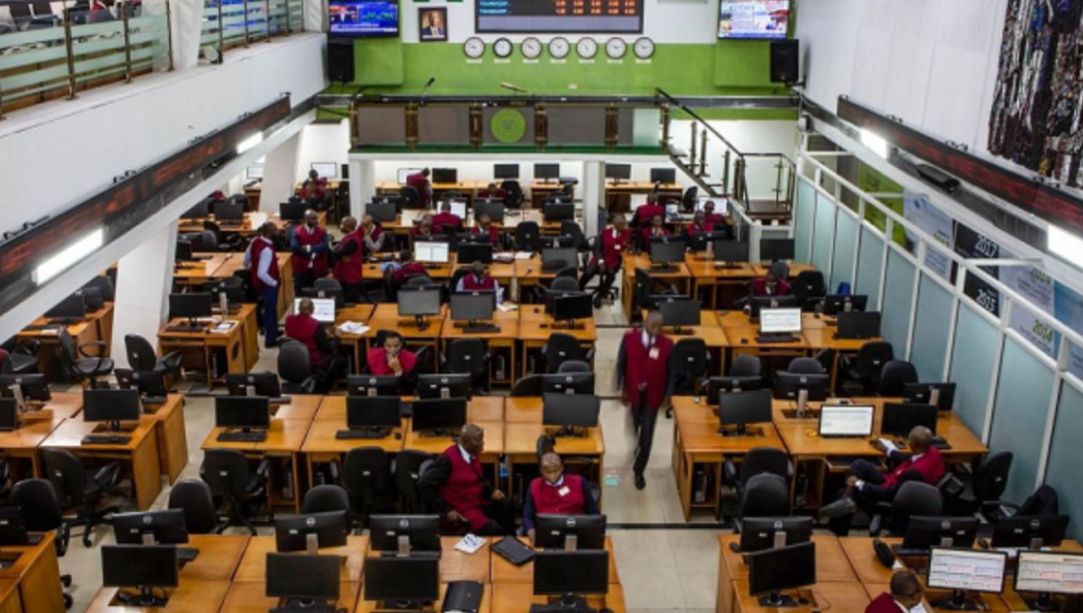
Nigeria’s financial markets are set for a major efficiency upgrade as stakeholders confirm the transition to a shorter T+2 settlement cycle, effective November 28, 2025.
This transition marks a fundamental shift from the current T+3 cycle, which sees transactions formally concluded four days after the trade date, to a more agile T+2 framework, which compresses the entire process to just three days.
The initiative is the culmination of extensive collaboration between regulators, exchanges, brokers, and clearing institutions, all aligned on the critical need to bring Nigeria’s market infrastructure in line with international best practices prevalent in major financial hubs like the United States and the European Union.
The consensus among experts is that this reduction in the settlement period will yield substantial benefits for the market’s ecosystem. By shortening the window between trade execution and final settlement, the new cycle directly mitigates counterparty risk—the danger that one party might default before the transaction is complete.
Furthermore, it is expected to unlock liquidity, as investors will gain access to their funds and securities more rapidly, thereby reducing capital constraints and potentially diminishing exposure to intra-period market volatility.
In a statement that underscores the forward-looking nature of this reform, the Securities and Exchange Commission (SEC) revealed that the T+2 model is merely a stepping stone.
The Commission has articulated an even more ambitious roadmap, with plans to advance to a T+1 cycle as early as next year, and an ultimate goal of achieving real-time, same-day (T+0) settlement in the future. This progressive vision signals a firm commitment to a continuous process of modernization.
Also see: INEC Shortlists 14 Associations for Political Party Registration
Ensuring a seamless transition has been a primary focus for market infrastructure providers. The Central Securities Clearing System (CSCS) Plc, the national central securities depository, has undertaken comprehensive technological upgrades and a thorough review of its operational processes.
Similarly, the Nigerian Exchange (NGX) has conducted extensive market-wide simulation exercises and established dedicated support systems to guide all participants through the changeover. These efforts are complemented by robust stakeholder education and training programs aimed at brokers, custodians, and investors.
The unified message from leadership across these institutions is one of preparedness and optimism. They herald the adoption of T+2 not merely as an operational tweak, but as a crucial strategic advancement that will enhance the transparency, efficiency, and global competitiveness of the Nigerian capital market, potentially positioning it as a leading frontier for investment in Africa.
