


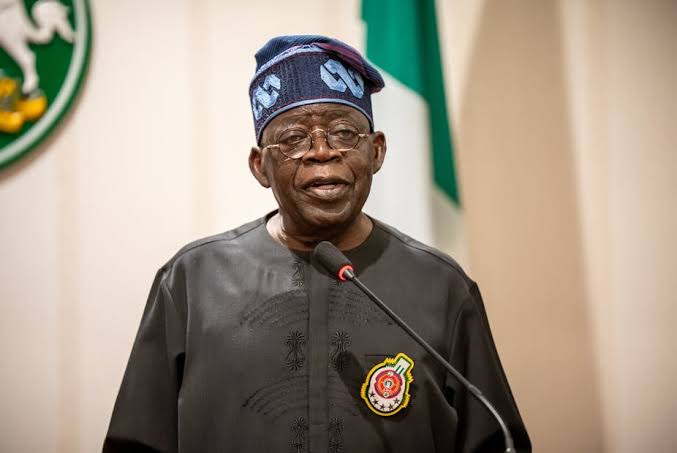
The Nigerian government’s recent directive to “crash food prices,” as announced by President Bola Tinubu, exemplifies a troubling pattern: a preference for grand pronouncements over tangible action. This latest move, reported by The Port City News, tasks relevant bodies with addressing soaring food costs.
Yet, it joins a growing list of press releases that project the image of a proactive administration while sidestepping the gritty work needed to resolve Nigeria’s deepening crises.
Food inflation, hovering around 40%, continues to choke households, and the government’s response feels more like theater than policy. Nigerians deserve solutions, not headlines.
The directive to lower food prices sounds bold but lacks substance. It echoes previous announcements, like promises to boost the economy or reform agriculture, which often fizzle out without measurable impact. The presidency’s statements create a veneer of progress, but they sideline the structural issues driving food insecurity.
Farmers face relentless threats from Islamic extremists, particularly in northern states like Borno and Zamfara, where insurgent groups displace entire communities. These attacks disrupt agricultural output, as farmers abandon their fields for safety.
The government’s focus on issuing directives ignores this root cause, leaving farmers vulnerable and food production stagnant.
Security is the bedrock of any agricultural revival. Without safe farmlands, no amount of price control rhetoric will fill markets with affordable goods. The administration could prioritize robust military and community-based security measures to protect rural areas.
Deploying technology, such as drones for surveillance, or strengthening local vigilante groups with training and resources, would enable farmers to return to their fields.
Instead, the government leans on vague instructions to “relevant bodies,” avoiding the hard task of confronting insecurity head-on. This approach sidesteps accountability while projecting effort through media channels.
Beyond security, the state of Nigeria’s road infrastructure compounds the food crisis. Rural farmers, even when they manage to harvest crops, struggle to transport produce to urban markets.
Poorly maintained roads, especially in regions like the Southeast and Northcentral, inflate transportation costs, which are passed on to consumers.
A government serious about crashing food prices would invest heavily in road networks, ensuring smooth and cost-effective movement of goods. Programs like the Rural Access and Agricultural Marketing Project, initiated years ago, remain underfunded and poorly executed.
Also Read: http://The Failed Promise of Nigerian Youth Leadership
Instead of press releases, the administration could channel resources into building and maintaining these critical arteries, directly impacting food affordability.
Incentives for farmers offer another missed opportunity. Agricultural inputs like fertilizers, seeds, and equipment remain prohibitively expensive for smallholder farmers, who produce over 80% of Nigeria’s food. Subsidies exist, but corruption and bureaucratic bottlenecks often prevent them from reaching those who need them most.
A committed government would streamline subsidy distribution, perhaps through mobile technology platforms, to ensure farmers have access to affordable inputs.
Tax breaks for agricultural cooperatives or low-interest loans for young farmers could also boost production. Yet, the Tinubu administration seems content with issuing directives rather than rolling out such practical measures.
This pattern of prioritizing optics over action extends beyond agriculture. The government’s handling of fuel subsidies, power sector reforms, and youth unemployment follows a similar script: bold announcements, minimal follow-through.
Nigerians are wary of promises that evaporate once the headlines fade. The food price directive, while well-intentioned, risks becoming another empty gesture unless paired with concrete policies. Citizens are not fooled by polished press statements; they feel the pinch of rising costs in their daily lives.
To move beyond rhetoric, the government must shift its focus to measurable outcomes. Secure farmlands, modernized infrastructure, and robust farmer support systems would do more to stabilize food prices than any press release.
Nigerians need an administration that works tirelessly in the background, not one that thrives in the spotlight. Until then, directives like the one to “crash food prices” will remain what they are: words on a page, not food on the table.
