


The Independent National Electoral Commission, once envisioned as Nigeria’s impartial electoral referee, now functions as a mechanism to suppress dissent and favor the ruling party.
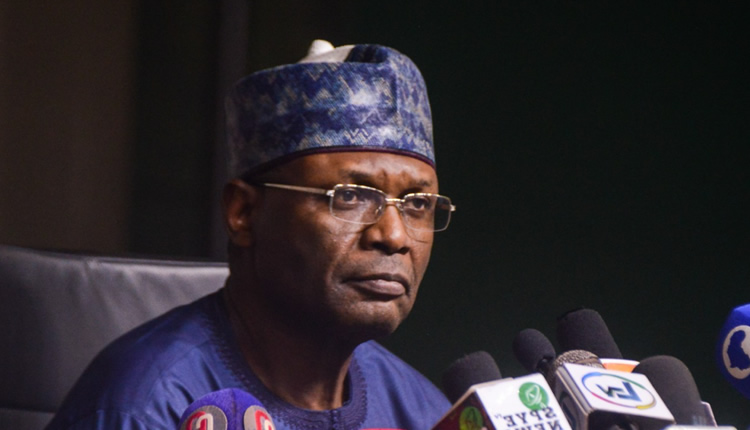
Recent announcements from INEC Chairman Professor Mahmood Yakubu exemplify this shift, as the commission cracks down on early campaigns for the 2027 elections while ignoring its own track record of incompetence.
At a roundtable in Abuja on early political activities, Yakubu decried premature rallies, posters, and media ads as “disturbing” violations of Section 94(1) of the Electoral Act 2022, which limits campaigns to 150 days before polling day.
He lamented the lack of sanctions for early starters, calling for amendments to empower INEC. Yet, this rhetoric serves as a pretext to harass opposition figures, allowing the police to target gatherings and expressions of ambition that challenge the status quo.
INEC’s collaboration with the Nigeria Police Force, led by Inspector General Kayode Egbetokun, amplifies these concerns. Egbetokun pledged strict enforcement during the same forum, questioning outdated rules but committing to upholding them.
Opposition parties like the Peoples Democratic Party and African Democratic Congress point to the All Progressives Congress as the primary violator, with PDP’s Timothy Osadolor accusing President Bola Tinubu of campaigning since last year through billboards and events.
Labour Party’s Peter Obi, via spokesperson Yunusa Tanko, labeled INEC “culpable” for biased application of rules. Even the Presidency distanced itself from Tinubu billboards spotted in April 2025, yet INEC’s focus remains on opposition movements, turning regulatory intent into a tool for intimidation.
This selective vigilance contrasts sharply with INEC’s repeated failures in recent elections, where opportunities to demonstrate credibility slipped away. During the 2023 general elections, INEC bungled the upload of results to its IReV portal, delaying announcements and fueling suspicions of manipulation.
Over 90% of polling units failed to transmit results electronically on election day, as reported by every major news outlet, leading to manual collation that favored the APC in key states like Lagos and Rivers. The Supreme Court later upheld Tinubu’s victory amid widespread protests, but INEC’s refusal to investigate glitches eroded public trust.
Also Read: http://Rivers Election: Democracy’s Absurd Farce Unveiled
The commission fared no better in off-cycle polls. In the September 2024 gubernatorial election in Edo State, INEC’s poor logistics left ballot boxes unsecured overnight, and voter accreditation issues disenfranchised thousands, according to observers from Yiaga Africa.
The PDP’s Asue Ighodalo contested the results, alleging over-voting in APC strongholds, but INEC dismissed calls for scrutiny, certifying the APC’s Monday Okpebholo as the winner.
Similarly, in Ondo State’s October 2024 governorship race, INEC overlooked discrepancies in voter registers, where ghost voters inflated turnout figures by up to 20% in southern LGAs, per Situation Room reports.
The APC’s Lucky Aiyedatiwa benefited from this oversight, while opposition candidates like the PDP’s Agboola Ajayi faced barriers in accessing polling materials.
Local government elections provide even starker examples of INEC’s abdication. In Rivers State’s October 2024 LG polls, conducted under INEC supervision, the commission allowed the APC to sweep all 23 seats amid violence and a low turnout of 12%, as documented by The Port City News.
INEC ignored reports of ballot stuffing in Port Harcourt and failed to enforce biometric verification, enabling the ruling party’s dominance. In Anambra’s December 2021 LG elections, INEC’s delayed collation process extended voting irregularities, with APGA securing most seats through what critics called engineered results. These lapses handed victories to incumbents while opposition parties, like the APC in Anambra, struggled against systemic hurdles.
INEC’s history of fumbling high-stakes moments underscores its unreliability as an umpire. The 2023 senatorial by-elections in Plateau and Ebonyi saw INEC reverse court-ordered wins for opposition candidates, citing technicalities that preserved APC majorities.
Former INEC boss Attahiru Jega, speaking at the recent roundtable, urged vicarious liability for third-party campaigns, yet INEC under Yakubu prioritizes future threats over past accountability. By announcing curbs on early campaigns now, with elections over a year away, INEC positions itself to monitor and disrupt opposition mobilization, from Peter Obi’s Labour Party rallies to Atiku Abubakar’s PDP networks.
Nigerians witness INEC’s transformation into a partisan enforcer, where announcements mask deeper control. Professional electoral bodies demand transparency and equal application of rules, not preemptive strikes against challengers. Until INEC addresses its electoral debacles and rebuilds integrity, such moves only deepen cynicism about democratic processes.
