


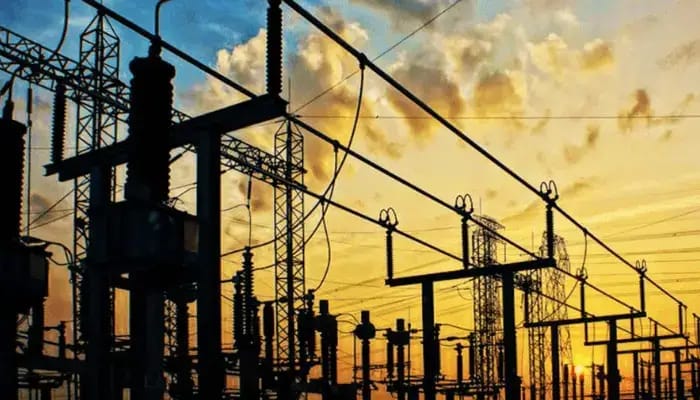
Nigeria experienced yet another major disruption in its electricity supply on Wednesday when the national power grid collapsed around 11:23 a.m., leaving vast regions in complete darkness.
This incident, the latest in a series of recurring failures, has once again highlighted the ongoing challenges within the country’s energy sector. According to reports from the Abuja Electricity Distribution Company (AEDC), the sudden loss of supply affected power distribution across the nation, impacting everyday life for millions of residents and businesses.
By 12:25 p.m. today, the system’s output had plummeted dramatically to just 50 megawatts nationwide. This minimal power was unevenly shared among only three distribution companies: AEDC in Abuja received 20 megawatts, the Ibadan Electricity Distribution Company got another 20 megawatts, and the Benin Electricity Distribution Company was allocated 10 megawatts. In stark contrast, eight other key providers—Eko, Ikeja, Jos, Kaduna, Kano, Port Harcourt, Enugu, and Yola—reported zero megawatts, resulting in a total blackout in their service areas.
The Port Harcourt Electricity Distribution Company, which serves parts of the oil-rich Niger Delta region including Rivers State, was among those hit hardest, forcing local industries, hospitals, and homes to rely on backup generators or go without power.
The immediate consequences were felt far and wide. In urban centers like Lagos, Abuja, and Port Harcourt, the blackout halted commercial activities, disrupted public transportation, and strained emergency services. Businesses in Rivers State, known for its bustling ports and petrochemical operations, faced significant setbacks as factories and refineries grappled with unexpected shutdowns.
Residents in areas such as Port Harcourt City and surrounding communities reported frustration over the sudden outage, which came during peak daytime hours when electricity demand is typically high for cooling and productivity. Schools and markets also paused operations, underscoring how such events exacerbate economic pressures in a nation already dealing with inflation and infrastructure deficits.
While the exact cause of this particular collapse remains under investigation, experts point to longstanding issues plaguing Nigeria’s power infrastructure. The country boasts an installed generation capacity exceeding 12,000 megawatts, yet actual output rarely surpasses 5,000 megawatts due to persistent problems like insufficient natural gas supply for thermal plants, aging equipment, and bottlenecks in the transmission network.
Also see: NARD Meets Amid Strike Threat Over Unmet Demands
These vulnerabilities have led to over a dozen grid failures in the past few years alone, including notable incidents in 2022 and early 2024 that similarly plunged major cities into hours or days of darkness.
In response, the AEDC issued a statement shortly after the event, explaining that the blackout stemmed from “a loss of supply from the national grid.” The company emphasized that technical teams were collaborating with generation and transmission authorities to restore service as quickly as possible.
However, no firm timeline for full recovery was given, leaving many Nigerians uncertain about when normalcy would return. Similar assurances have followed previous collapses, but critics argue that more comprehensive reforms are needed, such as investing in renewable energy sources and modernizing the grid to prevent future breakdowns.
This repeated unreliability of power supply not only hampers economic growth but also affects public health and safety. In regions like Rivers State, where heavy rainfall and flooding can already complicate power distribution, such failures compound vulnerabilities for vulnerable populations.
As Nigeria pushes toward its goals of energy diversification and sustainable development, addressing these systemic flaws will be crucial. For now, affected communities are bracing for potential prolonged disruptions, with many turning to costly alternatives like diesel generators amid rising fuel prices.
