


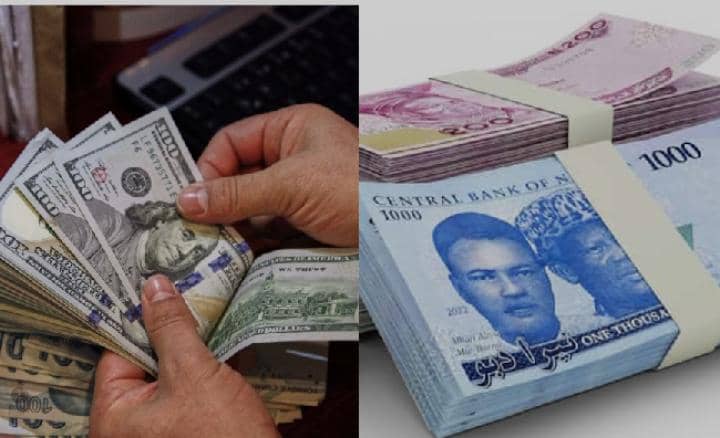
Naira recorded a marginal depreciation against the US dollar in the official foreign exchange market on Wednesday, closing at N1,536.73/$, down 0.12% from Tuesday’s rate of N1,534.93/$, despite a significant increase in foreign exchange inflows into the economy.
Data from the Central Bank of Nigeria (CBN) confirmed the dip, while the parallel market held steady at N1,545/$. In a related development, GTBank reduced its FX rate for international transactions to N1,543/$, down from N1,545/$ earlier in the week.
FX inflows surged 24% month-on-month in July 2025, reaching approximately $3.8 billion, up from $3.1 billion in June, according to FMDQ data. Despite this improvement, inflows remain well below the $6.7 billion peak recorded in May, highlighting ongoing volatility in the FX market.
Foreign Portfolio Investors (FPIs) remained the dominant driver, accounting for 45% of total inflows in July. Offshore investor contributions rose to $1.7 billion, up from $1.5 billion in June, reflecting growing foreign investor interest amid favourable carry trade conditions and relatively stable global macroeconomic trends.
Also see: Presidency Clarifies Nigeria’s Mission at TICAD 9, Cites Strategic Engagements Over Trade Expo
Financial experts attribute the naira’s slight depreciation to lingering demand pressures and speculative activities, even as inflows improve. The increased participation of non-bank corporates for two consecutive weeks signals broadening market confidence, though structural challenges persist.
The CBN continues to implement measures to stabilize the currency, including regular interventions in the official market and tighter oversight of Bureau de Change operations.
Traders and economists remain cautiously optimistic, noting that sustained inflows and disciplined fiscal policies are crucial for long-term naira stability. The upcoming weeks will be critical in determining whether the current trend signals a durable recovery or temporary relief.
