


Nigeria’s Value Added Tax (VAT) collection hit a record N1.95 trillion in Q4 2024, a 9.23% increase from the previous quarter and a staggering 62.19% year-on-year surge, according to the National Bureau of Statistics (NBS). While the government celebrates this as a sign of improved tax compliance and economic activity, the reality is far less rosy.
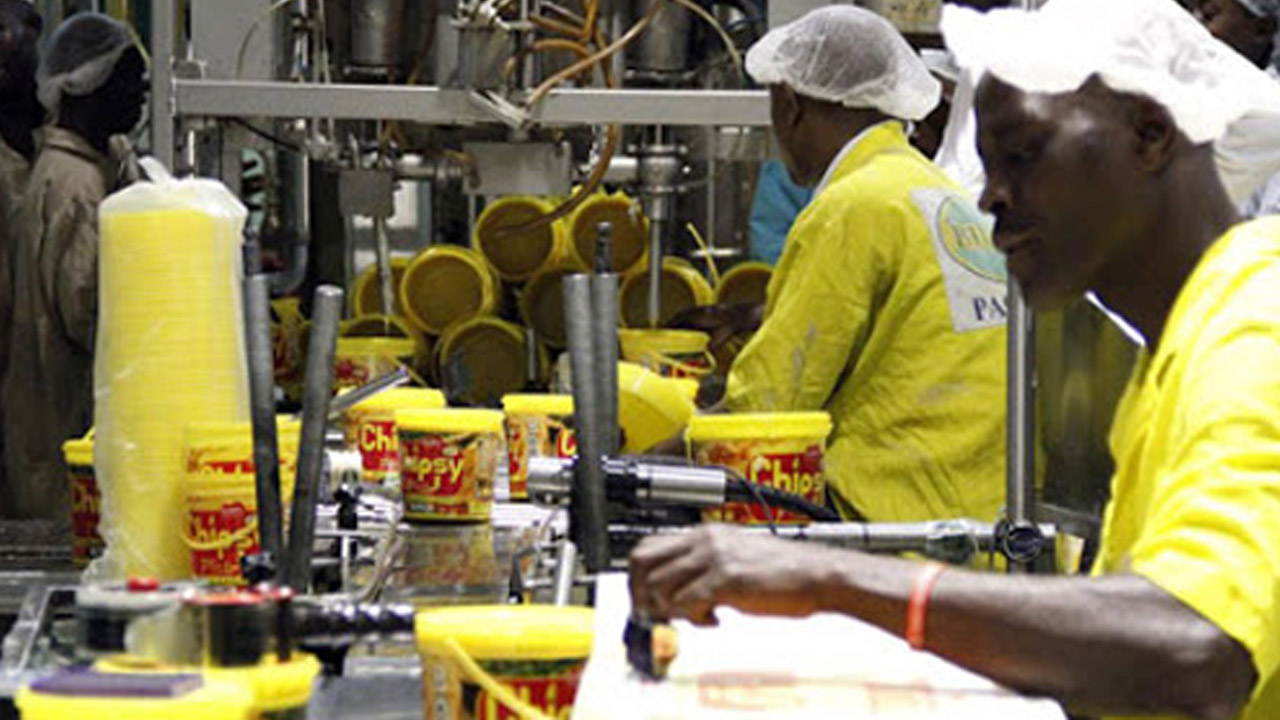
The manufacturing sector, contributing 25.89% to this figure, bears the brunt of this tax burden, which ultimately trickles down to consumers and erodes the financial stability of Nigeria’s already fragile middle class. This VAT windfall, rather than fostering wealth creation, is suffocating the masses and funding government inefficiencies. Nigeria needs an enabling environment that prioritizes economic freedom over oppressive taxation.
The middle class, which includes small business owners, professionals, and salaried workers, faces relentless pressure from rising taxes. VAT, applied at every stage of production and consumption, inflates the cost of goods and services.
Manufacturers, despite their significant contribution to VAT revenue, pass these costs onto consumers, driving up prices in an economy already grappling with inflation rates hovering around 24% in early 2025. For the average Nigerian, this means higher costs for essentials like food, clothing, and housing, further shrinking disposable income.
The NBS report highlights that domestic VAT payments reached N917.40 billion, a clear indicator that local businesses and consumers are shouldering the lion’s share of this tax burden. This regressive tax structure disproportionately harms those least equipped to absorb it, stifling their ability to save, invest, or build wealth.
Wealth creation for the masses is further undermined by the government’s reliance on taxation to fund its bloated operations. Nigeria’s fiscal framework is riddled with inefficiencies, lavish spending on political officeholders, redundant agencies, and poorly executed projects.
The same government that collected N1.95 trillion in VAT in one quarter struggles to provide basic infrastructure like stable electricity or functional roads, which manufacturers and small businesses desperately need.
Instead of channeling tax revenue into creating an enabling environment through investments in power, transportation, or digital infrastructure, the funds are often siphoned into recurrent expenditure or opaque initiatives. This misallocation stifles entrepreneurship and innovation, as businesses face high operational costs and limited access to credit, while citizens see little return on their tax contributions.
The manufacturing sector’s prominence in VAT contributions is a double-edged sword. While it signals resilience, it also exposes the sector’s vulnerability to over-taxation. Manufacturers face not only VAT but also other levies, high energy costs, and foreign exchange constraints.
These pressures limit their ability to scale, hire, or innovate, ultimately capping job creation and economic growth. The government’s tax reforms, including the four bills signed by President Bola Tinubu in June 2025, may aim to streamline revenue collection, but they risk further strangulating businesses without addressing systemic inefficiencies. An enabling environment would prioritize tax incentives, subsidies for critical sectors, and infrastructure development over relentless revenue drives.
To truly empower the middle class and foster wealth creation, Nigeria must shift its focus from taxing its citizens into poverty to creating conditions for prosperity. Reducing VAT rates, particularly for essential goods, would ease the burden on consumers and stimulate demand.
Streamlining government spending to eliminate waste and prioritizing capital projects like reliable power and transport networks would lower operational costs for businesses. Additionally, tax holidays for startups and small businesses could encourage entrepreneurship, enabling more Nigerians to generate wealth rather than merely survive.
The N1.95 trillion VAT haul is no cause for celebration when it comes at the expense of the middle class and economic vitality. Nigeria’s government must recognize that true progress lies not in extracting more from its people but in empowering them to thrive. An enabling environment, not a heavier tax yoke, is the path to sustainable wealth creation for the masses.
