


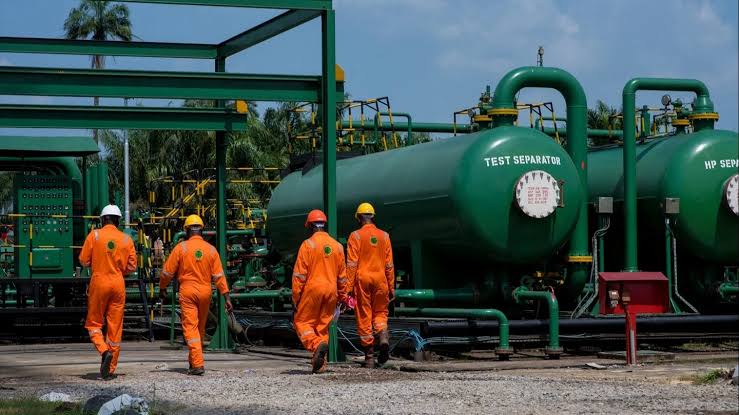
The Nigerian Upstream Petroleum Regulatory Commission (NUPRC) has introduced 21 new regulations to revitalize the country’s upstream oil and gas sector, aiming to attract significant investments and enhance operational efficiency. Announced by NUPRC Chief Executive Gbenga Komolafe during the 48th Society of Petroleum Engineers’ Nigeria Annual International Conference and Exhibition in Lagos, these regulations, enacted under the Petroleum Industry Act (PIA) of 2021, are designed to provide clarity, foster transparency, and align Nigeria’s oil industry with global standards. For communities in oil-rich regions like Rivers State, these changes signal potential economic growth and improved local engagement.
The regulations cover critical areas such as upstream petroleum measurement, gas flaring, venting, and methane emissions, host community development, domestic gas delivery obligations, safety, and decommissioning. The Upstream Petroleum Measurement Regulations, for instance, leverage advanced technology to ensure accurate tracking of oil and gas production, enhancing accountability and reducing revenue losses. Similarly, the Gas Flaring, Venting, and Methane Emissions Regulations focus on curbing emissions, supporting Nigeria’s decarbonization goals and global climate commitments. In Rivers State, where oil and gas activities are a major economic driver, these measures could mean cleaner operations and better community benefits through structured host community development programs.
Also Read: AAPW Drives Climate Advocacy in Communities through Town Hall Meetings
Komolafe emphasized that the NUPRC is not merely a compliance enforcer but an enabler of innovation and sustainability. “These regulations provide the clarity required to support investment, streamline administration, and align upstream operations with national and global priorities,” he said. The rules aim to make Nigeria’s oil sector more competitive, addressing long-standing issues like crude theft, which has dropped to 5,000 barrels per day, boosting production to 1.75 million barrels per day as of January 2025.
For Rivers State, the Host Community Development Regulations are particularly significant, ensuring local communities benefit directly from oil activities through 137 established development trusts. These trusts promote stability and economic inclusion, addressing past tensions in oil-producing areas. However, challenges like high operational costs and infrastructure deficits remain, requiring sustained government and industry collaboration.
The NUPRC’s efforts, including transparent licensing rounds and digitalized processes, position Nigeria as a prime destination for energy investments. With oil reserves at 37.5 billion barrels and gas at 209 trillion cubic feet, the sector’s growth could drive prosperity across regions like Rivers State, fostering jobs and sustainable development.
