


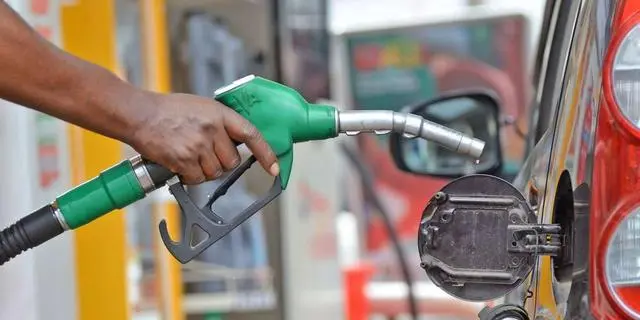
The Federal Government is projected to earn approximately N796 billion annually from a newly introduced 5% surcharge on locally produced and imported petrol. This policy, part of the Nigeria Tax Administration Act, is set to take effect on January 1, 2026, following President Bola Tinubu’s signing of four tax reform bills into law on June 26, 2025.
Key Details of the Surcharge
- The 5% levy applies to refined petroleum products, including petrol, diesel, kerosene, aviation fuel, and Compressed Natural Gas (CNG).
- Exemptions include clean energy products, household kerosene, cooking gas, and CNG.
- The surcharge will be calculated based on the retail price and collected at the point of sale or payment.
- The Federal Inland Revenue Service (FIRS), soon to be renamed the Nigeria Revenue Service, will oversee its collection.
Based on 2024 consumption data from the Nigerian Midstream and Downstream Petroleum Regulatory Authority (NMDPRA):
- 18.75 billion litres of petrol were consumed in 2024.
- At an average price of N850 per litre, total expenditure on petrol was N15.93 trillion.
- A 5% surcharge on this amount translates to N796 billion annually excluding diesel, aviation fuel, and other fossil fuel derivatives.
The policy aims to boost non-oil revenue, promote fiscal sustainability and offset rising public debt and subsidy-related costs.
However, the Minister of Finance, Wale Edun, must issue an official order before implementation begins. Consumers and industry stakeholders have strongly opposed the move, citing; Increased fuel prices at a time of economic hardship and lack of consultation on policies affecting citizens’ livelihoods.
Also Read: Africa’s “Invisible Gold”: Why Afreximbank is Betting Big on the Creative Economy
Akintade Abiodun, National Chairman of the Joint Drivers Welfare Association, accused the government of treating Nigerians as “lab rats” for harsh economic policies.
The Independent Petroleum Marketers Association of Nigeria (IPMAN) cautioned that the surcharge could further hike pump prices, as marketers would pass the cost to consumers.
Chinedu Ukadike, IPMAN’s National Publicity Secretary, stated, “Any additional charge on fuel importation or refining will reflect in the final retail price. Marketers operate on thin margins and cannot absorb such levies.”
Jackson Omenazu, Chancellor of the International Society for Social Justice and Human Rights, criticized the government for “anti-people” policies, warning that public frustration could escalate if living conditions worsen.
While the government views the surcharge as a necessary revenue stream, its implementation timeline and economic impact remain uncertain. Stakeholders demand transparency and accountability in how the funds will be utilized, particularly for road infrastructure and public welfare.
