

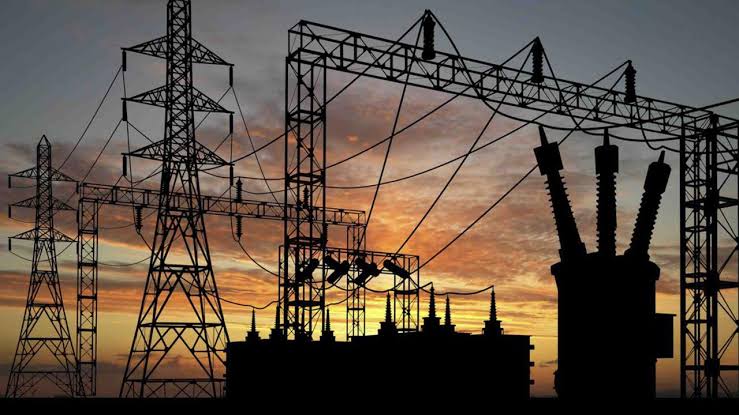
Nigeria’s electricity sector is teetering on the edge of transformation, with the Federal Government’s proposed sale of 11 electricity distribution companies (Discos), including the Port Harcourt Disco in Rivers State, under the Electricity Act Amendment Bill of 2025.
This bold move, aimed at addressing chronic inefficiencies, could reshape the nation’s power landscape. However, it also raises critical questions about execution, consumer impact, and the balance between federal and state authority. To unlock Nigeria’s energy potential, the government must navigate this reform with precision, transparency, and a commitment to long-term stability.
The bill, which has advanced through its second reading in the National Assembly, seeks to enforce stringent capital requirements on Discos, privatized in 2013, to boost their operational capacity. Failure to comply could lead to share dilution, receivership, or outright sales to new investors.
The rationale is clear: over 70% of Discos have underperformed, leaving millions in darkness. In Rivers State, for instance, Port Harcourt residents endure frequent outages that cripple small businesses and disrupt daily life. The Nigerian Electricity Regulatory Commission (NERC) reports a staggering N4 trillion sector debt, compounded by outdated infrastructure and mismanagement, underscoring the urgency for reform.
This isn’t the first attempt to fix Nigeria’s power woes. The 2013 privatization was heralded as a game-changer, but many Discos, burdened by debt and inefficiencies, failed to deliver. The Port Harcourt Disco, serving as a key economic hub, exemplifies this struggle, with unreliable supply stifling Rivers State’s commercial potential.
The proposed bill aims to inject fresh capital and expertise, but its success hinges on addressing systemic issues like liquidity shortages and metering gaps, which leave 60% of consumers unmetered, according to a 2025 industry report.
Critics, including the Forum of Commissioners of Power and Energy, warn that the bill risks clashing with the 2023 Electricity Act, which empowered states to regulate their electricity markets. Rivers State, for example, has begun exploring localized solutions, like off-grid solar projects, to bypass Disco failures.
Centralizing control through forced sales could undermine these efforts, creating regulatory confusion. A balanced approach, strengthening federal oversight while respecting state autonomy, would better serve Nigeria’s diverse energy needs.
The bill’s push to phase out subsidies and attract long-term local currency investments is ambitious but fraught with challenges. Ending subsidies could raise tariffs, hitting low-income households in places like Rivers State hardest.
The government must cushion this impact with targeted relief programs, such as subsidized solar home systems, to ensure affordability. Extending the proposed 12-month recapitalization timeline to 24 months, as suggested by industry experts, would also give Discos breathing room to secure credible investors without destabilizing operations.
Related News: Nigeria’s Refineries, Ajaokuta Steel Languish Despite N6.5 Trillion Spent
Transparency is non-negotiable. Past privatizations were marred by allegations of favoritism, with assets sold to politically connected entities lacking technical expertise. The sale of Discos must prioritize competent investors with proven track records, ideally through open, competitive bidding.
Nigeria can learn from Kenya, where transparent privatization of power assets boosted efficiency and attracted foreign investment. In Rivers State, where oil and gas industries demand reliable power, such rigor could unlock economic growth, creating jobs and supporting small businesses.
Education is another critical piece. Many Nigerians, including those in Port Harcourt, lack awareness of how electricity markets function or their rights as consumers. The government and NERC should launch campaigns to explain the reforms, emphasizing benefits like improved supply and accountability. Community forums in Rivers State could demystify metering and billing, empowering consumers to demand better service.
The stakes are high. Reliable electricity could transform Nigeria’s economy, driving industrialization and reducing reliance on costly generators, which cost businesses $29 billion annually, per a 2024 World Bank estimate. In Rivers State, a stable power supply could bolster sectors from agriculture to tech startups, fostering inclusive growth. Yet, without addressing debt, regulatory conflicts, and consumer concerns, the bill risks becoming another unfulfilled promise.
Nigeria stands at a pivotal moment. The Disco sales could inject vitality into a moribund sector, but only if executed with foresight. By prioritizing transparency, balancing federal and state roles, and investing in consumer education, the government can turn the Electricity Act Amendment Bill into a catalyst for change. For Rivers State and beyond, the promise of a brighter, more electrified future is within reach but it demands bold, inclusive action now.
