


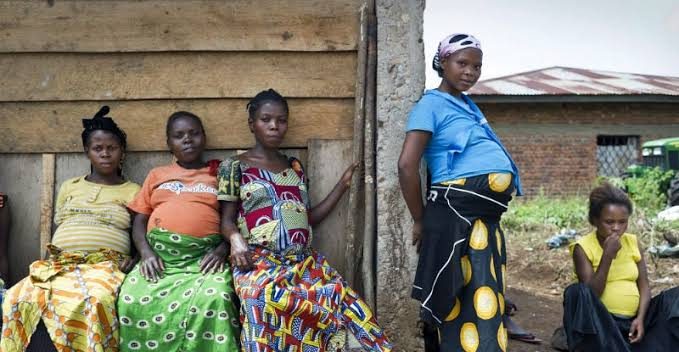
Pregnant women in rural Nigeria are being left dangerously unprotected against malaria, as a growing urban-rural divide in healthcare access leaves village mothers without life-saving preventative treatments available in cities.
The alarming gap was highlighted in new research published in Infectious Diseases of Poverty, showing rural women receive significantly fewer doses of Intermittent Preventive Treatment (IPTp) during pregnancy compared to their urban counterparts. While urban clinics report improved treatment rates when better equipped, rural health centers show little progress despite similar upgrades – a pattern that mirrors Nigeria’s own struggles with healthcare inequality.
Dr. Chika Nwaokorie, a public health specialist with the Nigerian Medical Association, describes the situation as “a medical apartheid that’s costing lives daily.” He explains, “In Lagos or Abuja, a pregnant woman might receive all recommended doses of malaria prevention. But in rural Niger Delta or northern villages, many never see a single dose. We’re failing our most vulnerable mothers.”
The consequences are dire in a country bearing 27% of global malaria cases. The World Health Organization recommends at least three preventative treatment doses for pregnant women, yet most rural clinics struggle to provide even one. Transportation barriers, chronic drug shortages, and lack of trained health workers create what experts call “a perfect storm of neglect.”
Professor Adeola Oni of the University of Ibadan’s Institute of Medical Research notes the irony: “Malaria parasites don’t distinguish between urban and rural hosts. Yet our healthcare system does, with deadly consequences for rural mothers and their unborn children.”
The solution, according to health advocates, requires more than just medicine distribution. “We need permanent solutions – trained community health workers in every village, reliable electricity for clinics, and transportation systems that don’t force mothers to choose between a day’s wages and medical care,” says Dr. Nwaokorie.
MLAs the rainy season approaches, bringing heightened malaria risks, public health experts warn Nigeria’s rural mothers remain dangerously exposed. “Every untreated pregnant woman represents a potential tragedy,” Professor Oni adds. “This is much more than a healthcare gap… it’s a moral failure.”
