


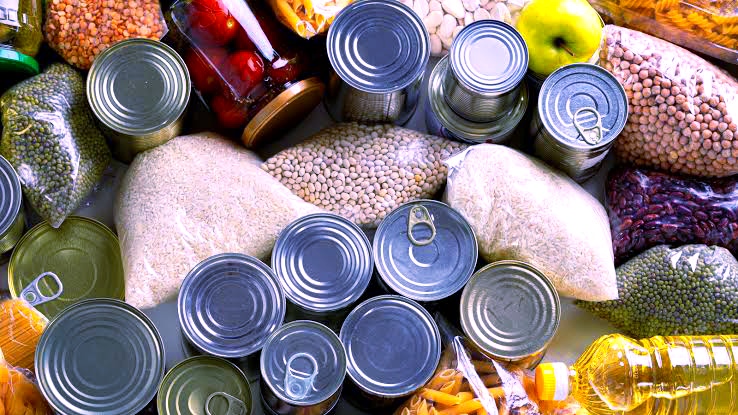
In markets across Nigeria, from bustling street stalls to modern supermarkets, shelves are lined with brightly coloured food packages designed to attract the eye. However, beneath the glossy wraps lies a growing threat: excessive levels of sugar, salt, and unhealthy fats, which are fuelling the country’s rising burden of non-communicable diseases (NCDs).
Despite the health risks, most processed food products in Nigeria lack Front-of-Pack Warning Labels (FOPWL) that would allow consumers to make informed dietary choices. This gap in regulation is contributing to a surge in NCDs,; such as diabetes, hypertension, and heart disease that now account for 30 percent of annual deaths in the country.
A recent report by Corporate Accountability and Public Participation Africa (CAPPA), titled Junk on Our Plates, has brought renewed attention to the issue. The report, based on research conducted across seven Nigerian states, highlights aggressive marketing tactics by food and beverage companies, including misleading claims that portray unhealthy products as “natural” or “nutritious.”
It found instances where high-sugar yoghurts were labelled as “not sugary,” and seasoning brands in Northern Nigeria omitted vital information about high sodium content while using culturally resonant messaging to drive sales.The report argues that such marketing strategies, combined with the absence of clear front-of-pack warnings, strip Nigerians of their right to transparent information and undermine public health.
Related: Health Policymakers Urged to Subsidize Cost on Asthma Treatment
“Countries that have implemented FOPWL systems are seeing significant public health improvements,” said Humphrey Ukeaja, CAPPA’s Industry Monitoring Officer. “In Chile, for example, black octagonal warning labels led to a 24% drop in sugary drink purchases within the first year. Mexico and Peru have taken similar steps, resulting in reformulations and more informed consumer behaviour.”
Also Read: Favour Ofili Sets World Record
Other countries such as Canada and South Africa have also adopted or are moving towards warning label systems that clearly flag high levels of sugar, salt, and saturated fat. The World Health Organization (WHO) supports FOPWL as a cost-effective intervention to combat diet-related diseases, especially for low-income populations who are often targeted by misleading advertisements.
With the evidence mounting, health advocates are calling on the Nigerian government to enact mandatory front-of-pack labelling regulations. They are urging for labels that are bold, standardized, and easily understood, supported by public education campaigns to raise awareness and shift consumer behaviour. In addition, food manufacturers are being encouraged to reformulate products to align with national health priorities and reduce the presence of harmful ingredients.
“The message is clear,” Ukeaja said. “Nigeria must put the health of its citizens above commercial interests. Transparent food labelling is not just a policy option it’s a public health necessity.” As NCDs continue to take a toll on Nigeria’s healthcare system and workforce, experts warn that bold action is needed now to prevent further harm and secure a healthier future for all.
